 PosellaPosella
Sitting is the easiest way to get an unflattering photo, because sitting square by instinct compresses the torso. This set shows how to shift onto one hip and cross or extend the legs toward the camera to lengthen the line.
Sitting is the easiest way to get an unflattering photo, because instinct makes you sit upright and square — exactly the position that compresses the torso and folds the stomach. First rule: do not sit all the way back. Perch on the front half of the seat and your back straightens naturally, without bracing.
Next, rotate your hips. Sit turned slightly onto one hip rather than facing the camera, then twist your upper body back toward the lens. That twist puts a curve through the waist and lengthens the torso. Sitting square to the camera reliably produces the widest version of you.
For the legs, never point both knees straight at the lens — the camera enlarges whatever is nearest and your legs will look short. Crossing them, or angling both to one side and pointing the toes, lengthens the line considerably. And a chair is not only for sitting: straddling it backwards with your arms over the back, or simply resting one foot on it, are both usable poses.
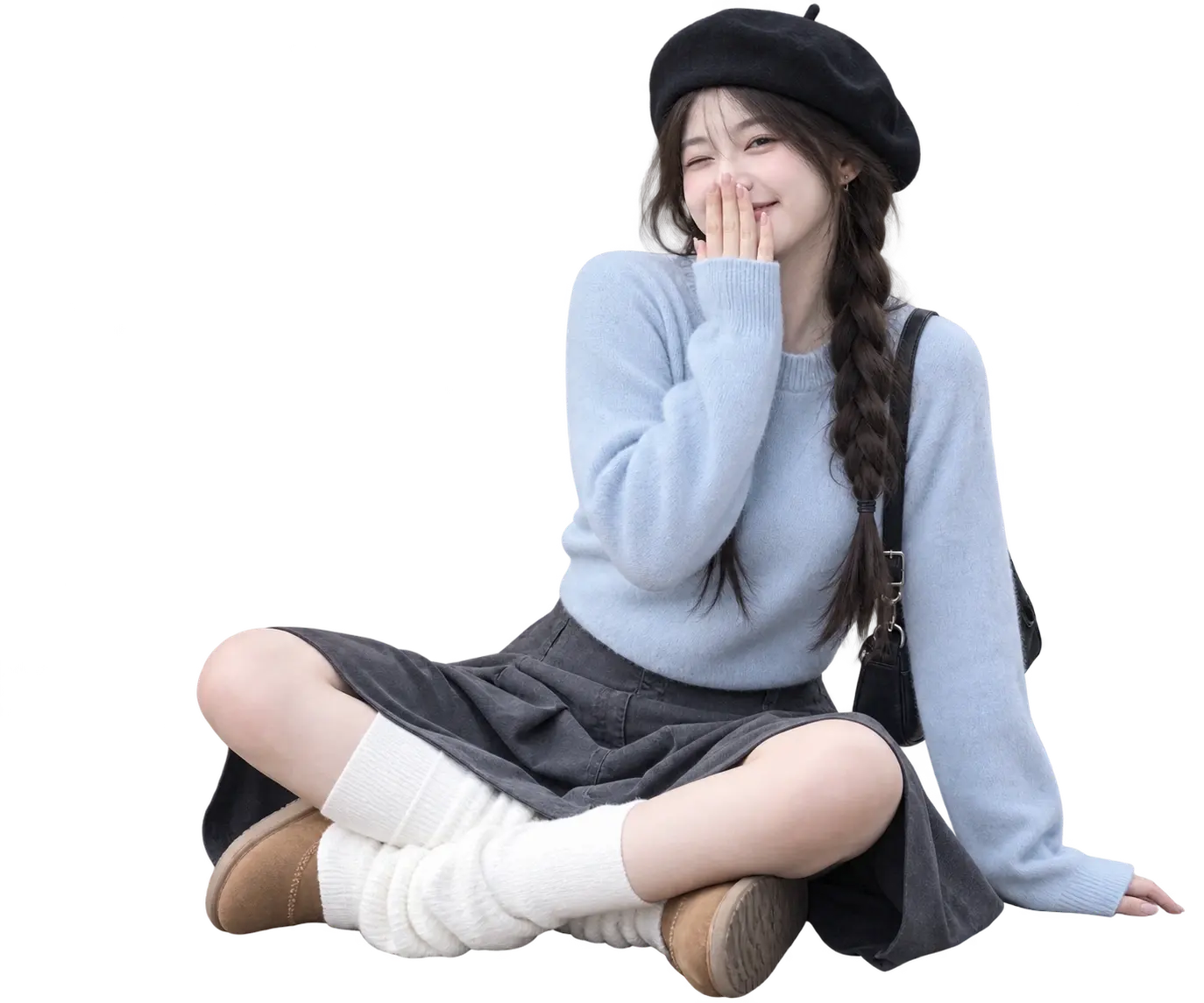
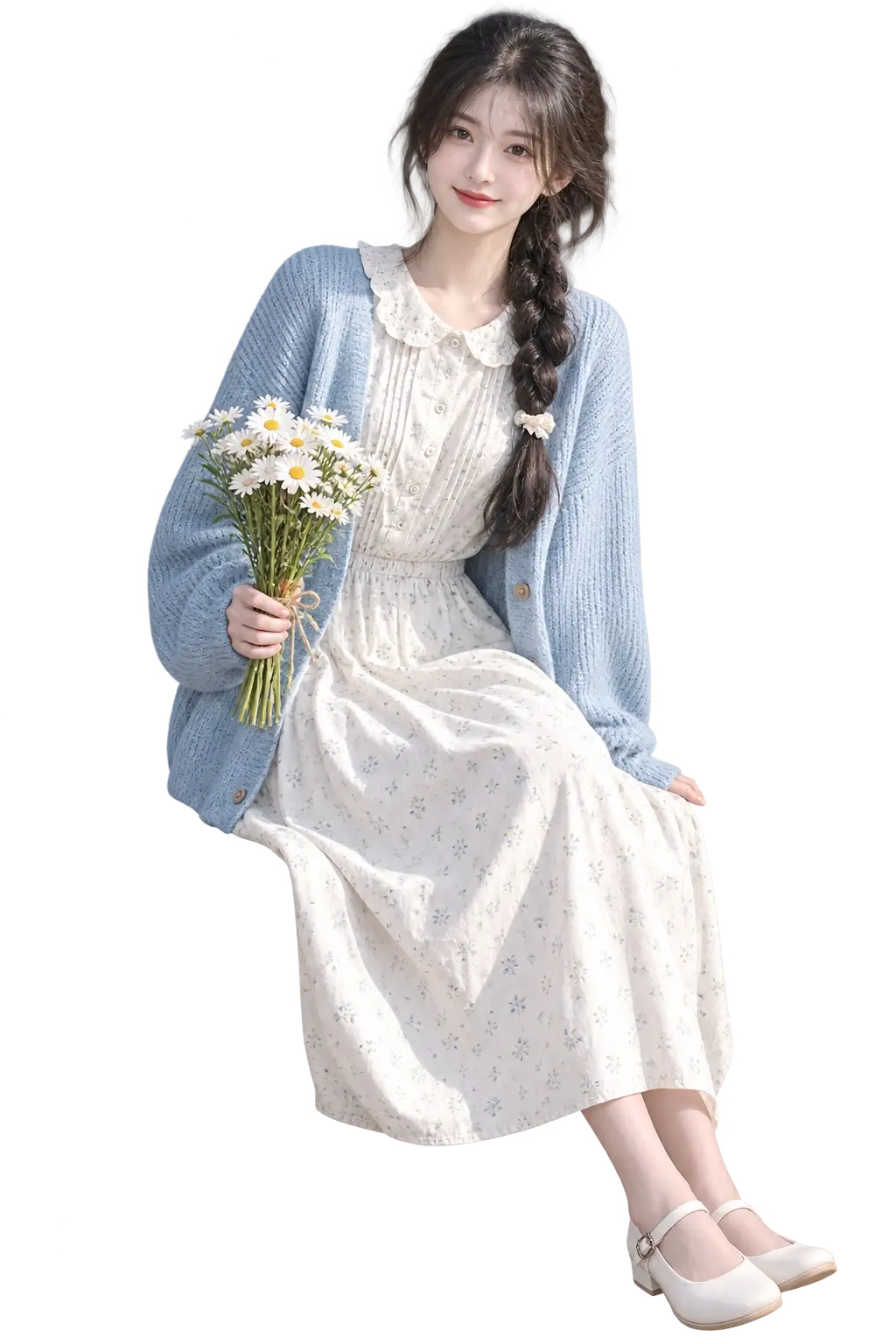
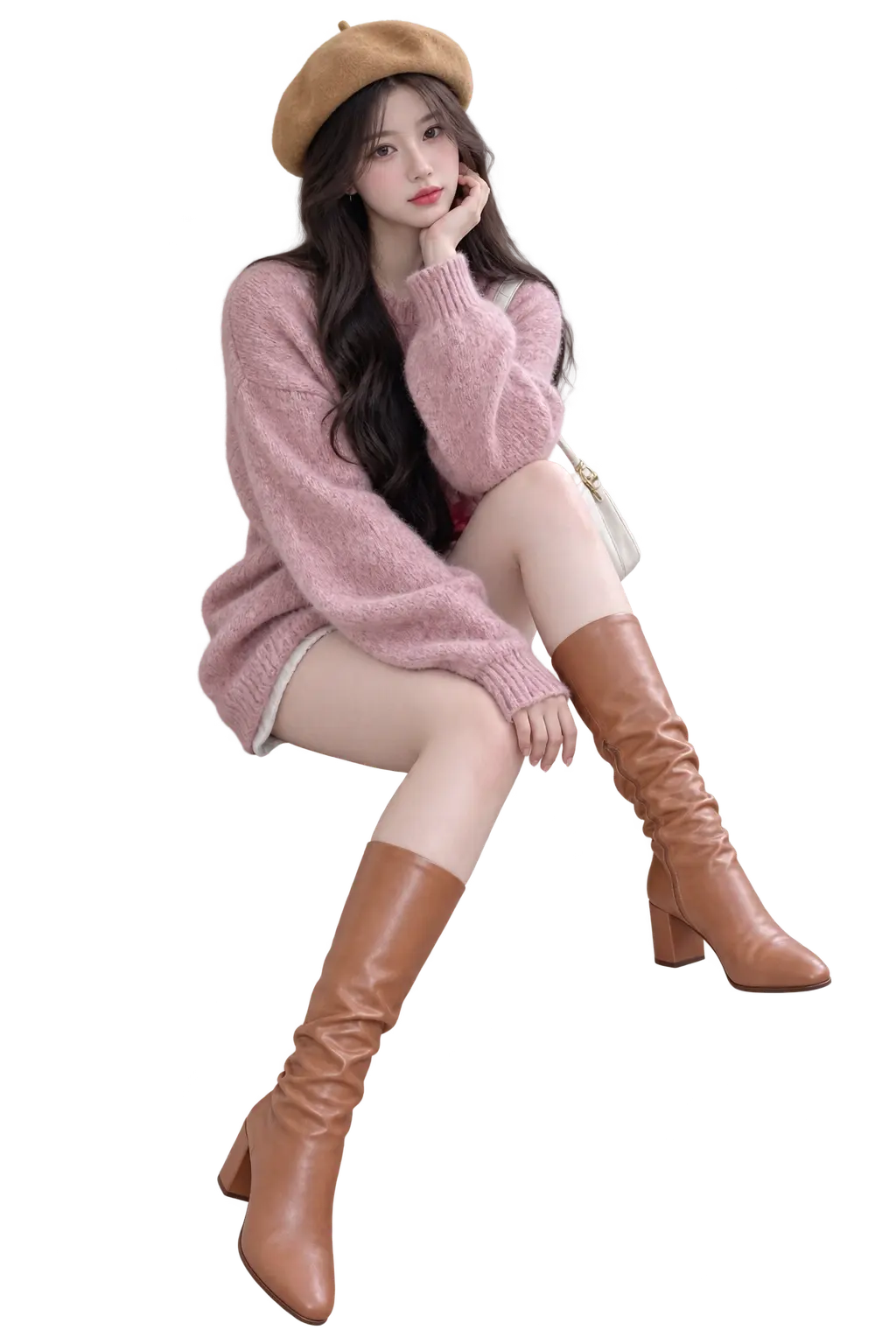
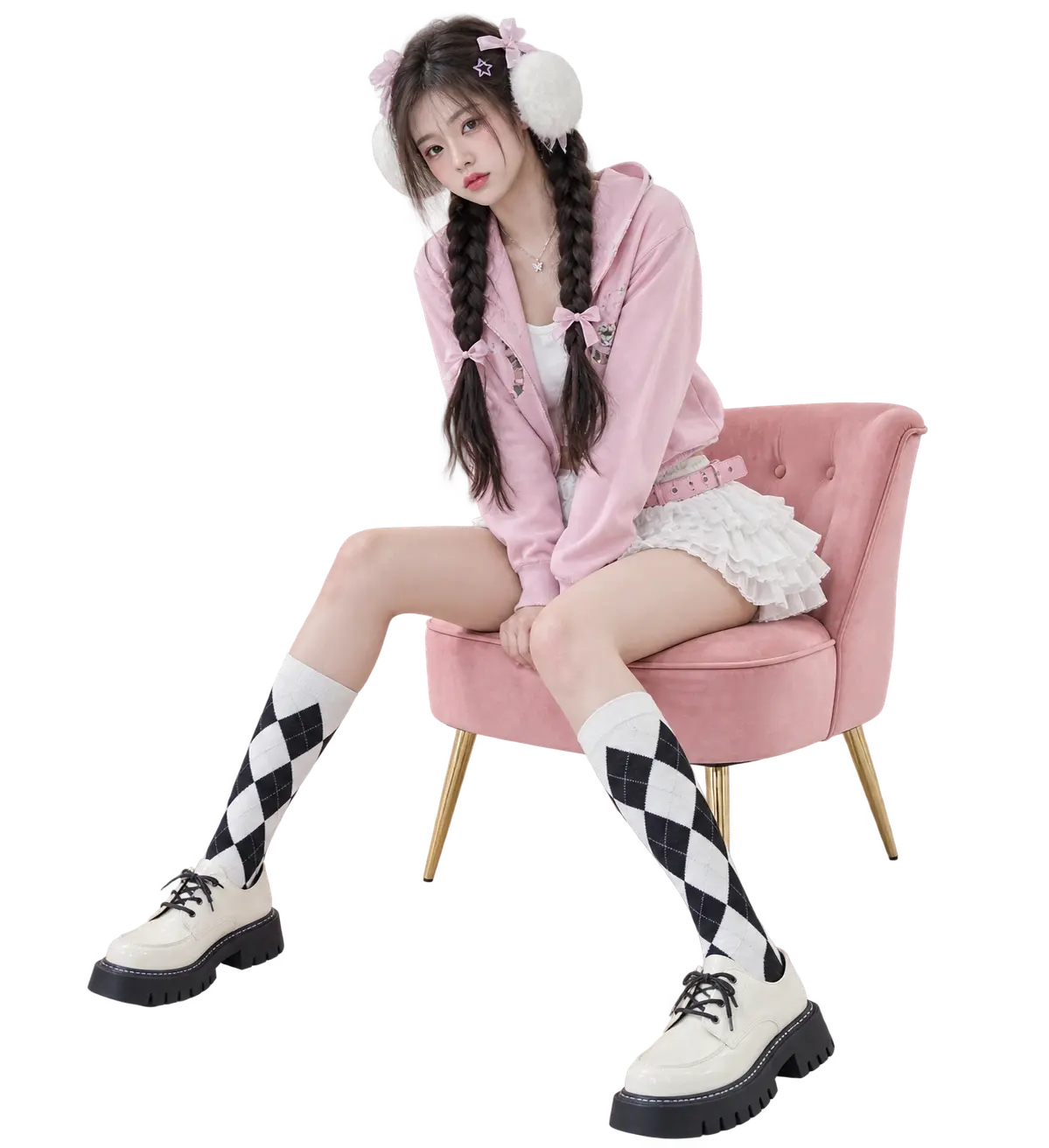
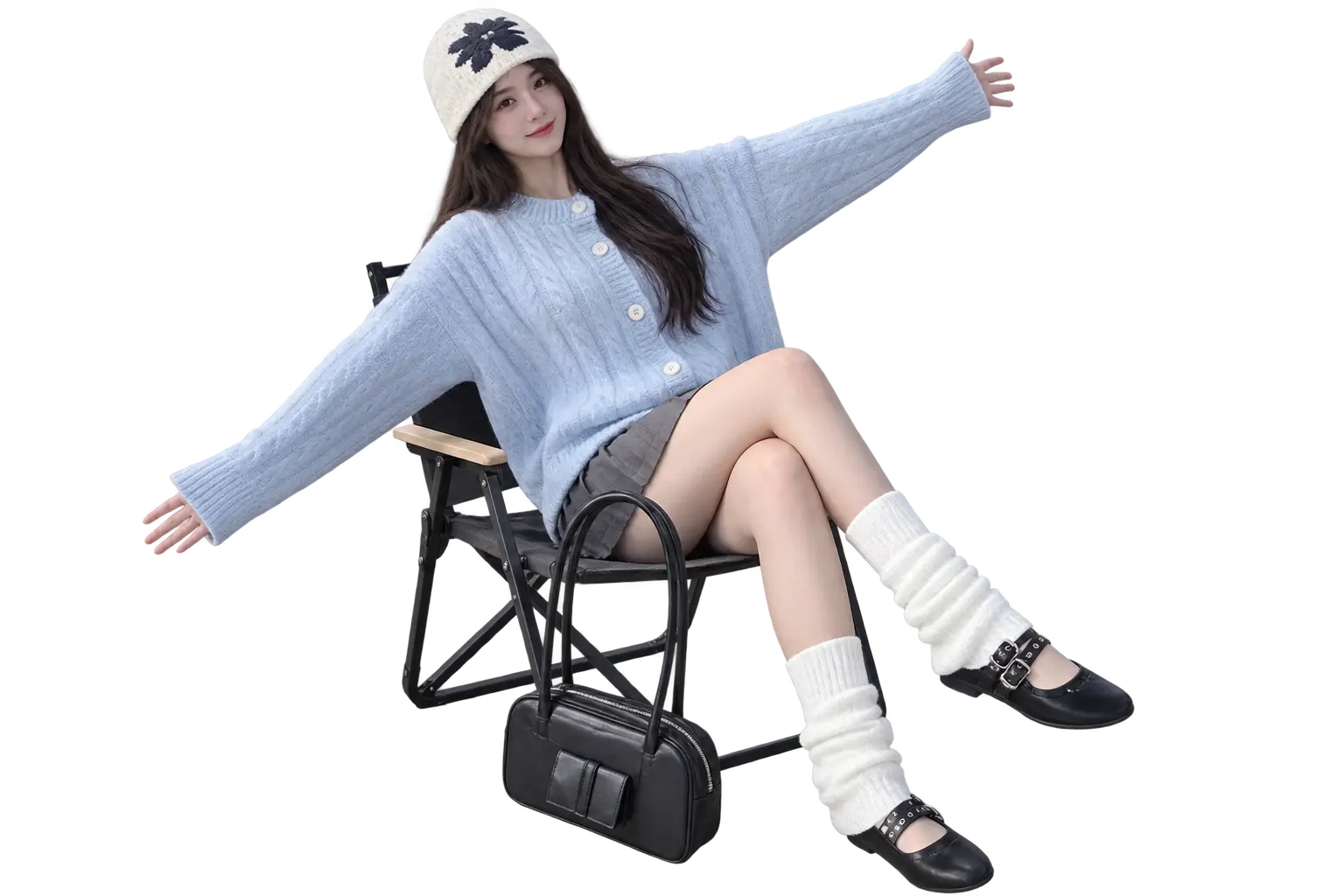
Showing 5 reference poses. Get the Posella app to see every pose in this setting and line up on them as you shoot.
Get it on Google PlaySitting comfortably with the back against the chair curves the spine and compresses the whole upper body. In a photograph this rolls the shoulders forward, shortens the neck and folds the midsection. It is the most natural way for a person to sit and the least flattering in front of a lens.
The fix is to sit on the front edge without leaning back, and tip slightly toward the camera. Perching forces the spine upright, opens the shoulders and separates the body from the chair back. It is not comfortable to hold, so move into it just before the shutter.
Sitting square with both legs pointing at the lens gives two thighs foreshortened as far as they can go, occupying much of the frame. That is perspective at work: whatever points straight at the camera is compressed the most.
Turning the knees about forty-five degrees to one side is enough for the thighs to read at their real length. Crossing at the ankle rather than the knee gives a cleaner line. On a high stool, one foot on the floor and one on a rail creates two different heights and avoids rigid symmetry.
A chair is not invisible. A tall back, thick arms or a busy pattern all compete for attention with the person in it, and a large armchair can swallow a subject entirely. A simple, low-backed chair in a muted colour is always the safer choice.
If the chair is worth looking at — rattan, antique wood, a strong colour — then frame it so its shape is actually visible rather than showing a sliver of backrest behind a person. Turning the chair at an angle and shooting from the side gives you both the line of the chair and the shape of the sitter.
Turn on your camera and line yourself up with a reference pose. The web version is preview only — shooting and saving live in the app.
Drag to move the pose, pinch (or scroll) to resize.
Pose to try
Taking and saving photos is app-only.
