 PosellaPosella
A car is a large prop and easily overwhelms the person in frame. This set keeps the balance by having you make contact with the car rather than standing apart from it. Shoot at roughly 45 degrees; straight-on angles make it look flat.
A car is a very large prop, and the usual problem is that it overwhelms the person. The simplest fix is to make contact with it. Lean on the door, rest a forearm on the bonnet, sit on the sill — any point of contact ties you into the scene instead of leaving two separate subjects side by side.
The angle decides how the car reads. Shooting straight at its flank flattens it and stretches it out. Standing at roughly 45 degrees shows both the front and the side, which gives it real form.
An open door is a ready-made frame — sit on the edge of the seat with your feet on the ground and the doorframe wraps around you, adding a layer to the composition. Watch reflections in the glass and paintwork: a car is essentially a mirror, and it very easily catches the photographer or a streetlight in the frame.
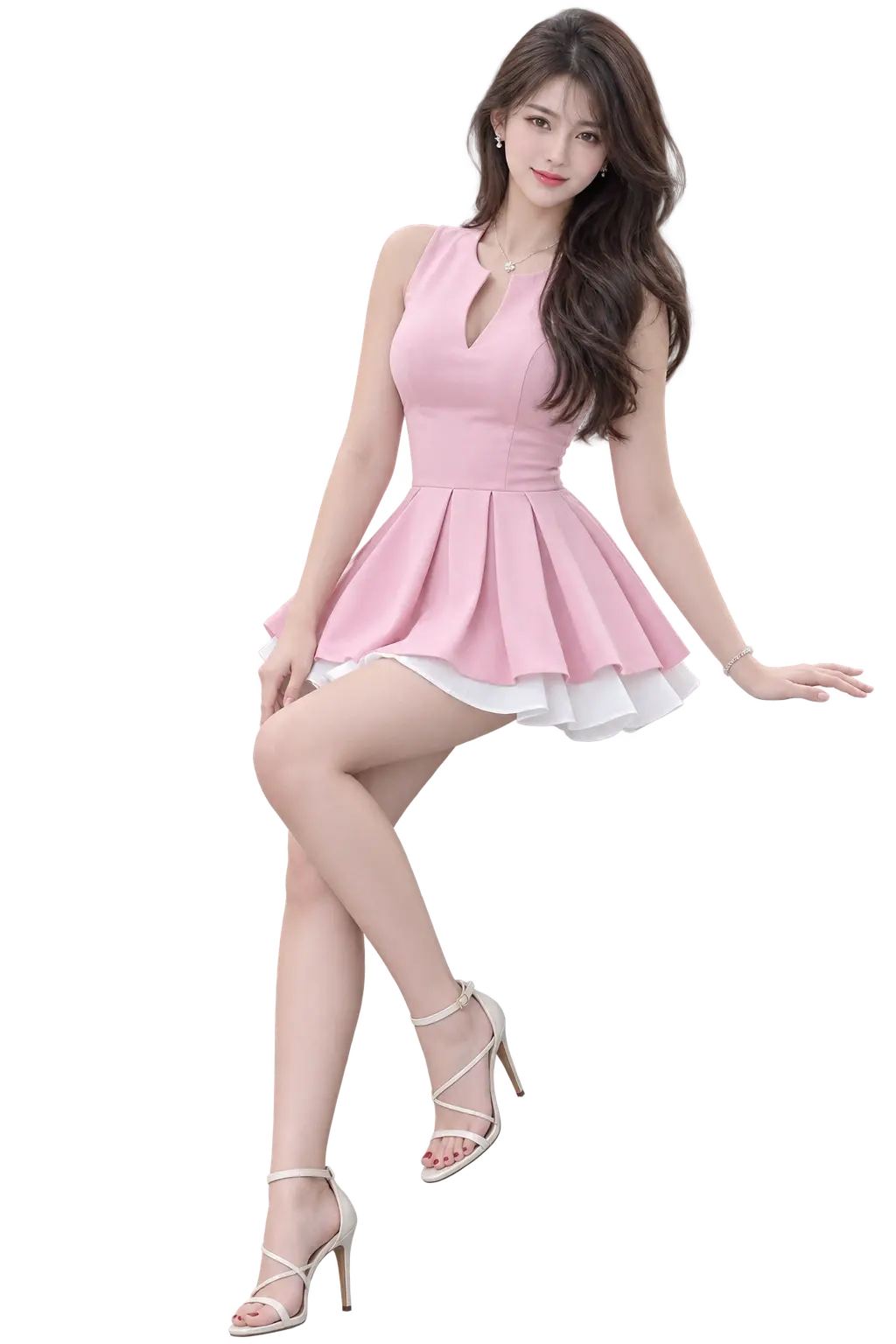
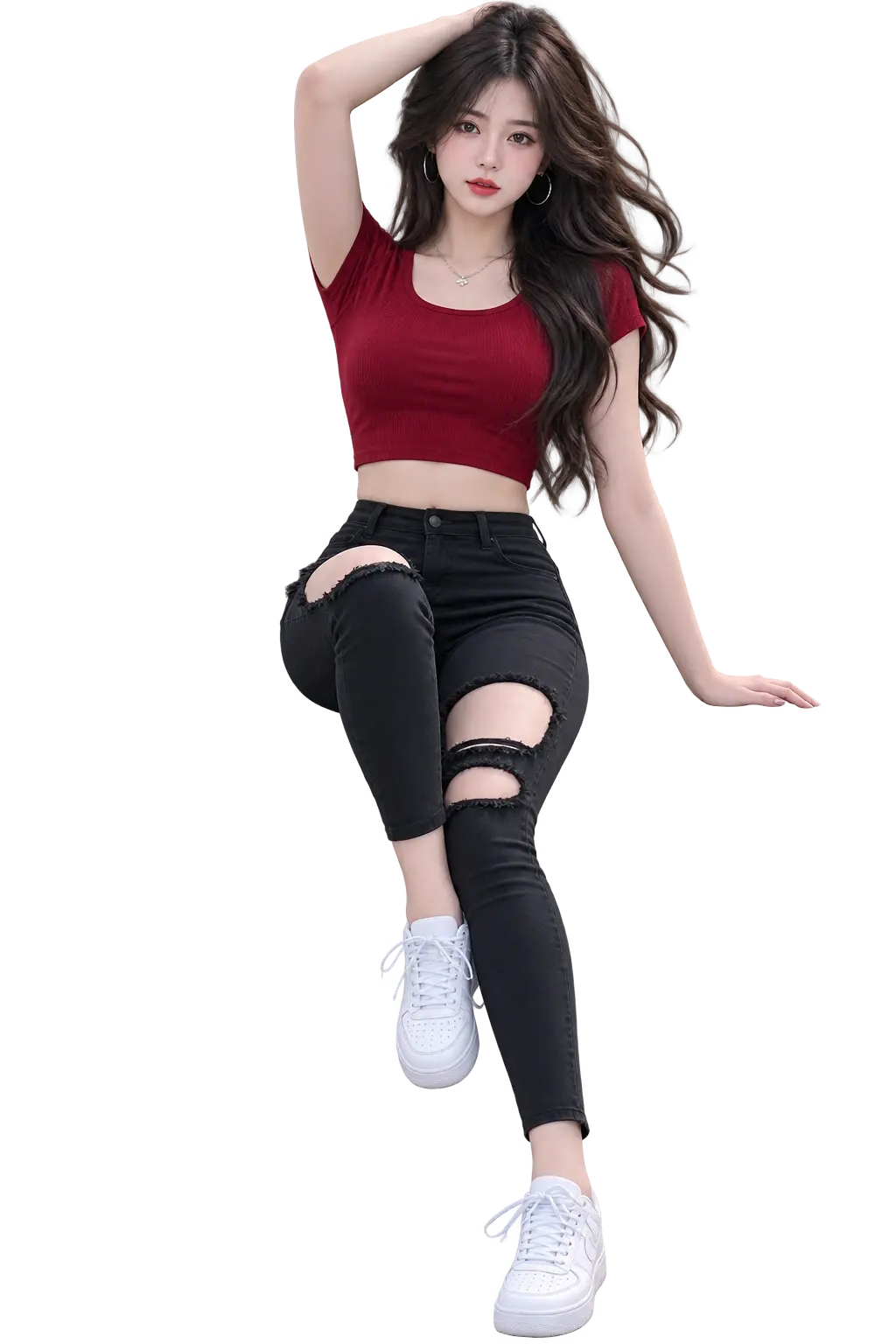
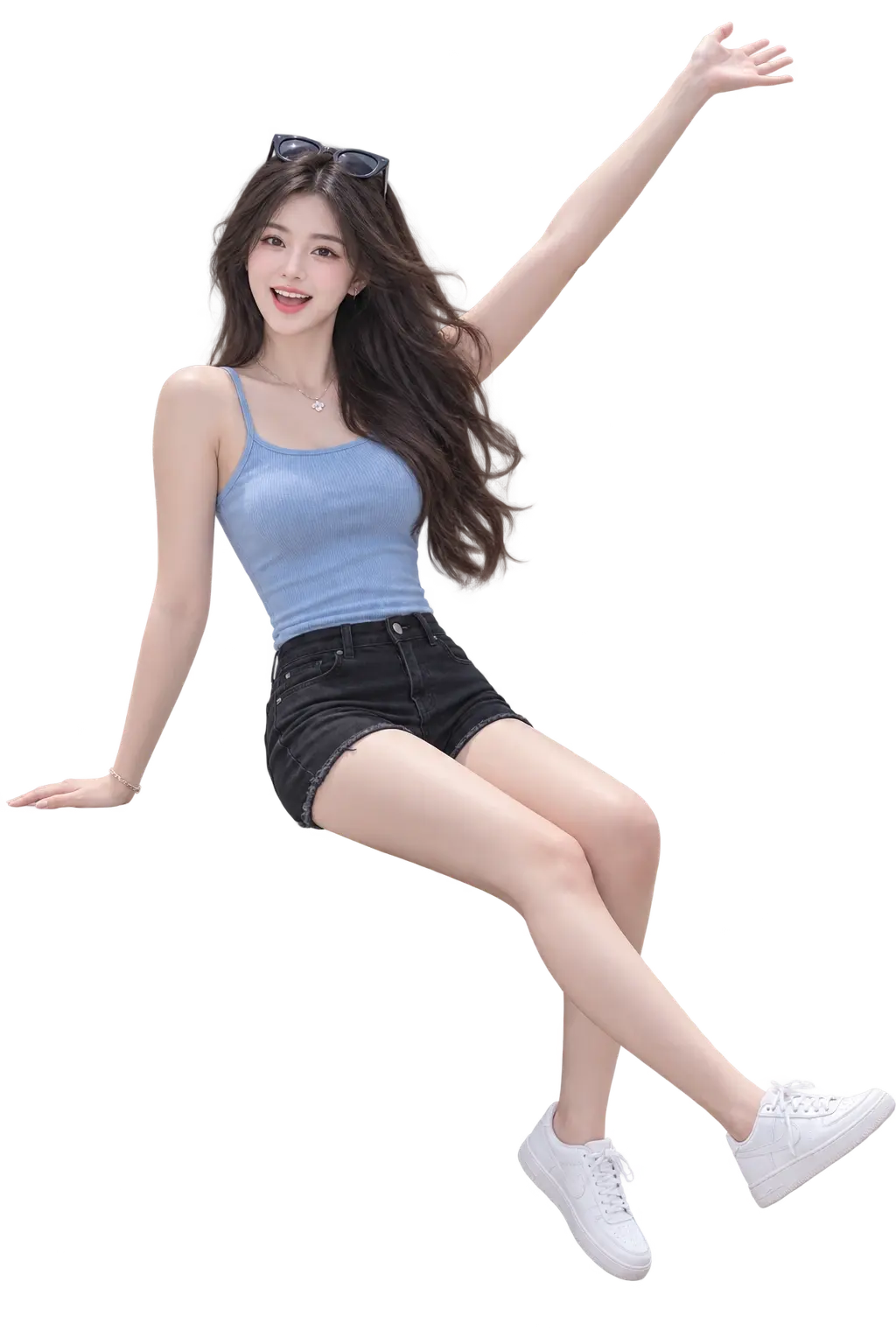


Showing 5 reference poses. Get the Posella app to see every pose in this setting and line up on them as you shoot.
Get it on Google PlayStanding upright next to a car creates no relationship with it — two objects that happen to share a frame. The car then reads as a large metal shape competing for space with the person.
Leaning a hip or a shoulder against the body creates a point of contact, and that contact makes the two read as one composition rather than two separate things. A hip against the door, ankles crossed, one hand on the roof is the basic and most reliable combination here.
Opening the door and sitting sideways with both feet on the ground is the signature pose of this setting, and it works for several reasons at once: the door frame surrounds the subject, sitting is comfortable so the expression relaxes, and the legs form clear angles instead of two straight lines.
Shooting slightly low and from toward the front of the car gives the best angle. Watch the interior behind you: a messy seat, bags or charging cables inside the doorway show up clearly, because that area is dark and the eye automatically searches it for detail.
Glossy bodywork behaves like a curved mirror. It reflects the sky, trees, buildings and the photographer, and those reflections are often far brighter than the rest of the car. This is why photographs with cars so often carry strange bright streaks running along the panels.
Dark cars reflect most strongly and are the hardest. Shooting on an overcast day or in large shade reduces the problem sharply, because an even sky gives an even reflection. In sun, move a few paces and watch the streak travel across the bodywork until it is no longer sitting behind you.
Turn on your camera and line yourself up with a reference pose. The web version is preview only — shooting and saving live in the app.
Drag to move the pose, pinch (or scroll) to resize.
Pose to try
Taking and saving photos is app-only.
