 PosellaPosella
Group photos fail two familiar ways: everyone lines up in a row, and whoever stands at the edges comes out distorted. This set arranges people in layers and at different heights instead.
The biggest mistake in a group photo is putting everyone in one straight row. The longer the row, the wider the frame has to be, and a wide lens distorts the people at each end — faces broaden, bodies stretch. Arrange two or three layers instead, with each person behind standing in the gap between two shoulders in front. The group tightens up, nobody disappears, and nobody gets stretched.
Varying height matters even more. If everyone stands upright, the heads form one flat horizontal line and the photo goes dull. Have one or two crouch, someone sit, someone lean against a wall — staggered heads create a zigzag and give the eye somewhere to travel. This is the single clearest difference between a snapshot and a group photo that looks composed.
On spacing, friends always stand further apart than they think. Every small gap between two people looks twice as wide in the photograph. Tell everyone to close in until shoulders touch — it feels too close and photographs about right. And rather than counting to three and smiling on cue, shoot continuously while people are talking; the best group shots are almost always taken mid-joke rather than after a countdown.
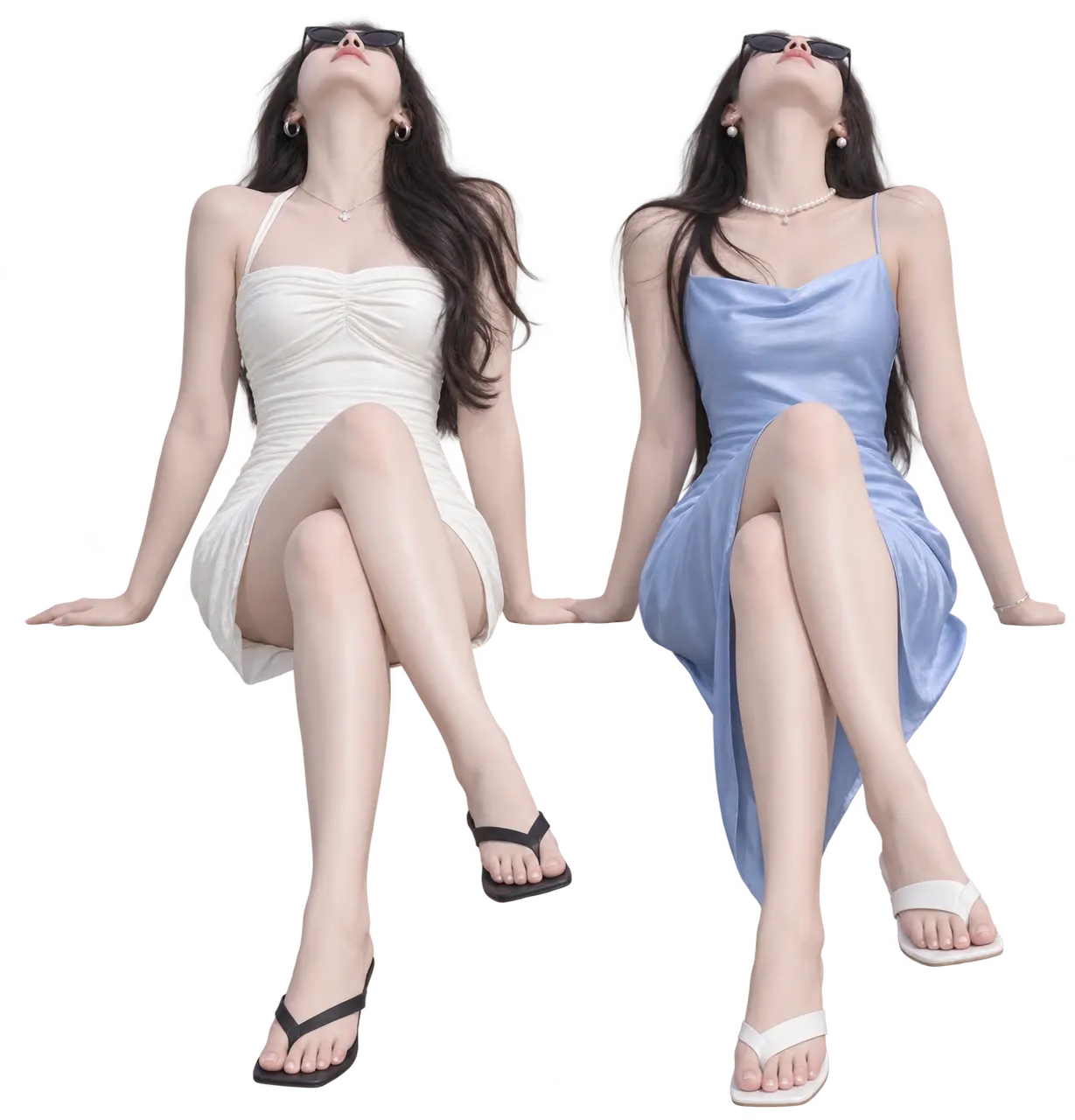

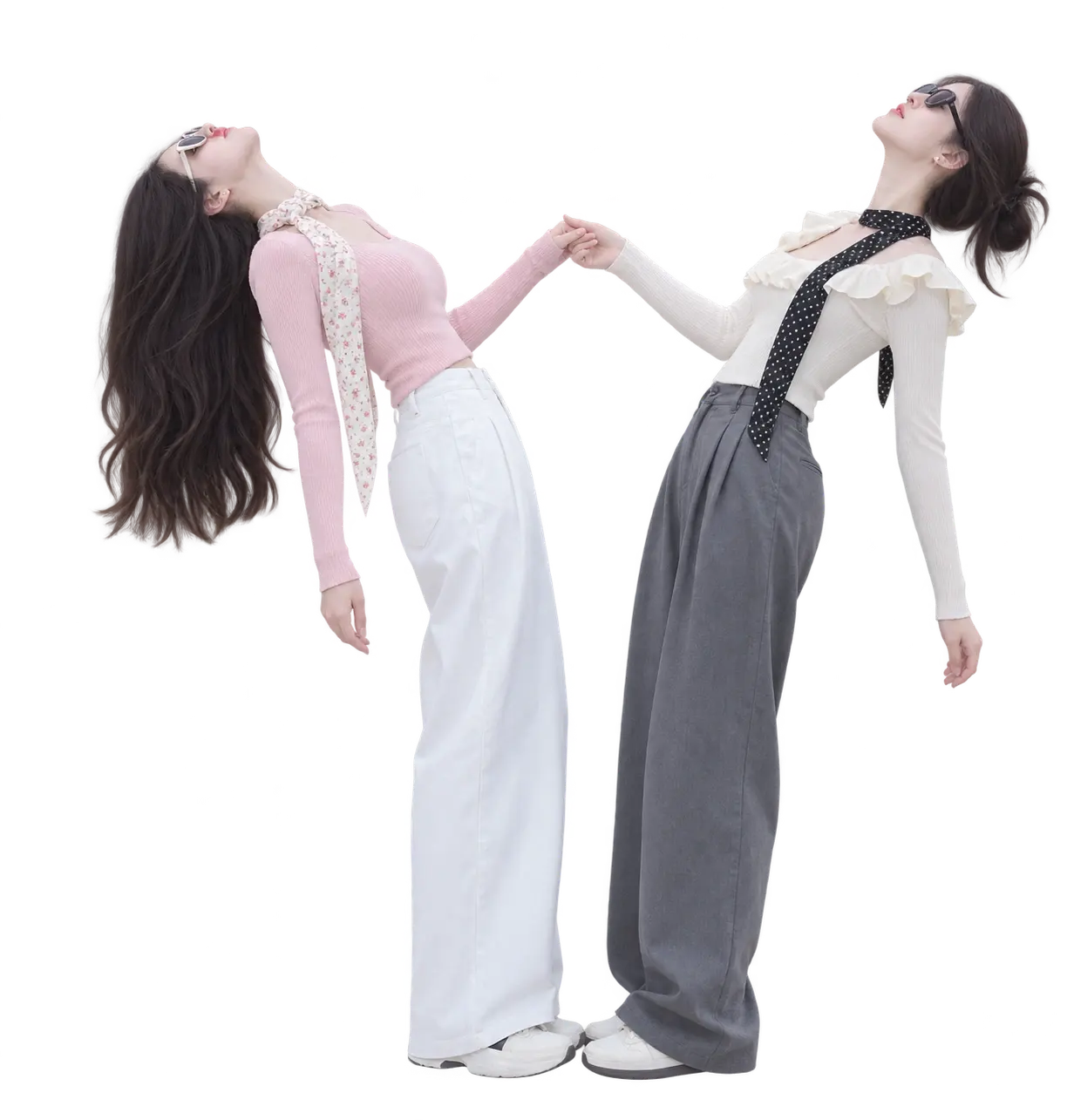
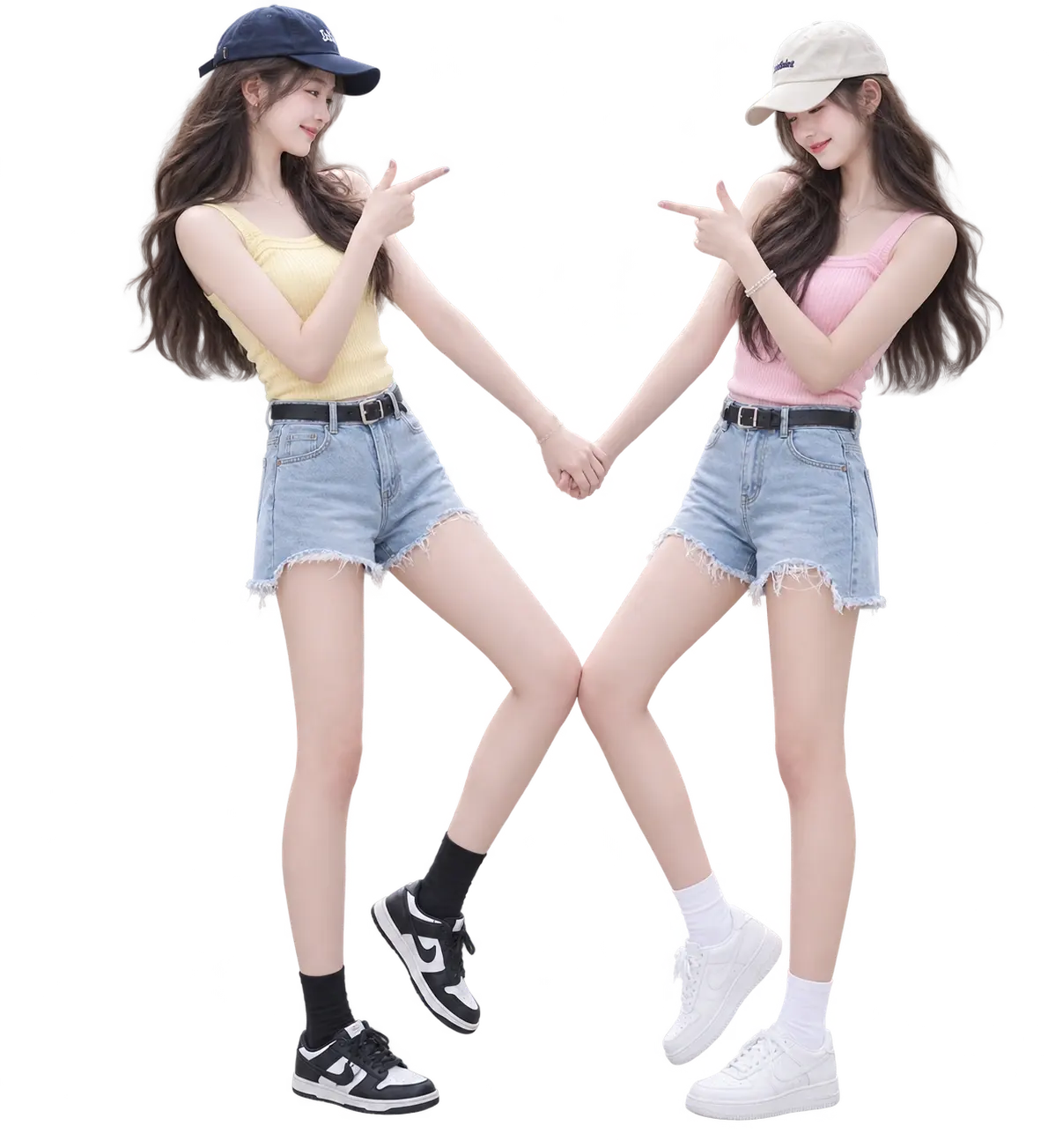
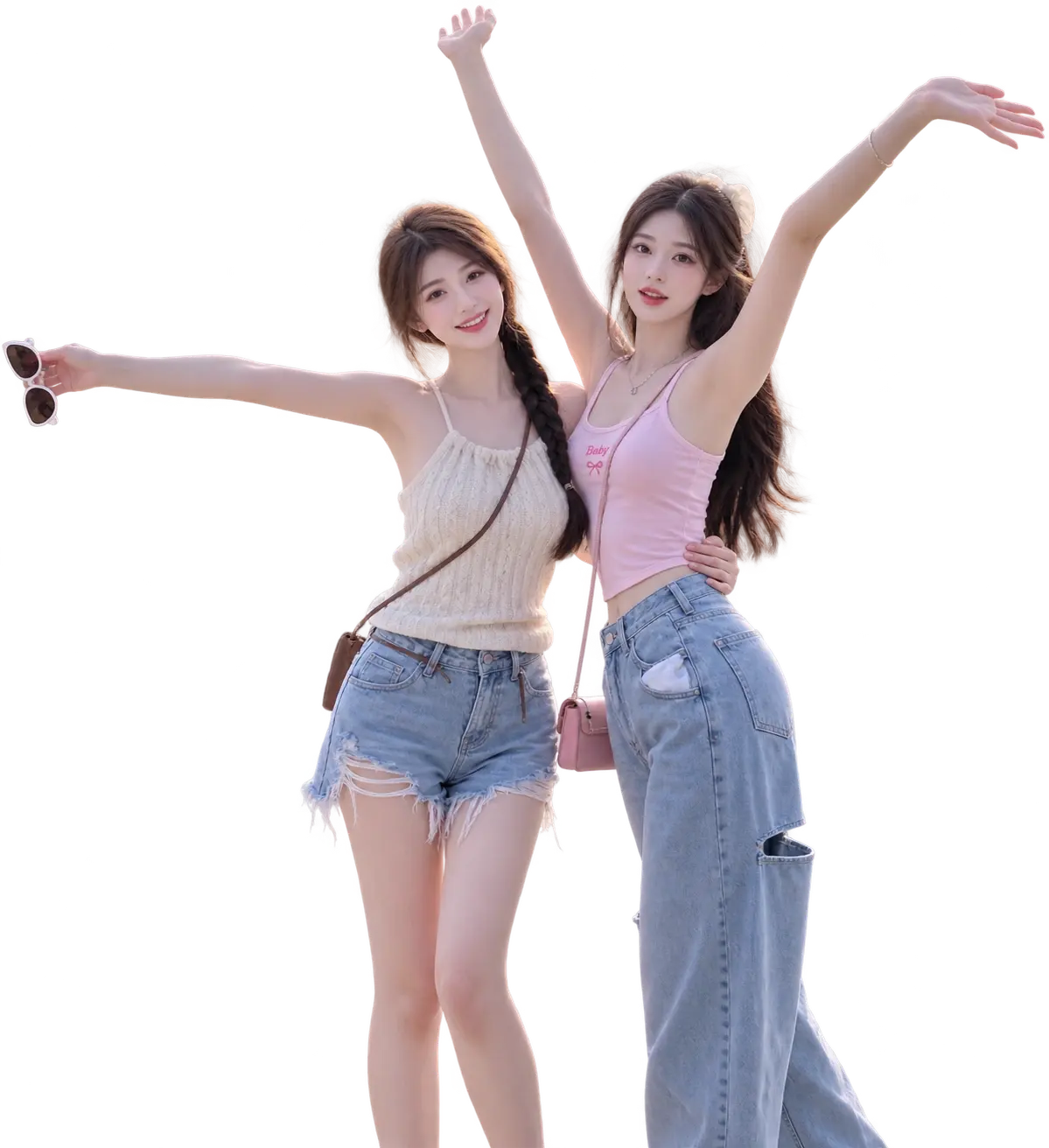
Showing 5 reference poses. Get the Posella app to see every pose in this setting and line up on them as you shoot.
Get it on Google PlayGroups of three, five or seven compose more comfortably than four or six, because there is always a person in the middle acting as an axis with pairs arranged around them. With an even number the eye splits the frame into two equal halves, and the photograph reads as two small groups standing next to each other rather than one.
If your group is even, break the symmetry with height rather than position. Have one person sit at the front, or one stand a step higher. As soon as the heads stop sitting on a single horizontal line, the split disappears.
With five people, the chance that someone is blinking, looking away or mid-sentence in any given frame is high. That is why a group photograph taken as a single shot is almost never usable, and why the photographer usually gets blamed unfairly.
The method is to shoot eight to ten frames continuously over a few seconds without stopping to check. Tell everyone to hold their positions for the whole run. Above seven people, accept that you will be combining faces from two frames, and shoot so the two share identical framing to make that easy.
Asking everyone to look at the camera produces exactly what was asked for: five faces pointed forward wearing smiles held slightly too long. Friends are the setting where candid frames routinely beat arranged ones, because the thing worth photographing is the relationship between people rather than each individual face.
Instead of counting down, set a task: walk toward the camera together while talking, all look at something outside the frame, or have one person tell the others a story. Fire while it is happening. The usable frame is normally in the middle of the run, not at the start.
Turn on your camera and line yourself up with a reference pose. The web version is preview only — shooting and saving live in the app.
Drag to move the pose, pinch (or scroll) to resize.
Pose to try
Taking and saving photos is app-only.
