 PosellaPosella
A meadow gives you something few settings do: a natural foreground. This set covers sitting among tall grass, trailing a hand across the seed heads, and lying back looking up. Shoot low, at the height of the grass tips.
A meadow gives you something very few settings do: a natural foreground layer. This is also the trick that makes meadow photos look professional — drop the camera low, level with the seed heads, and shoot through the grass in front. The nearest blades blur into a soft band and create instant depth.
For posing, tall grass is your ally: sitting down among it, standing and trailing a hand across the tops, or walking slowly and letting it brush your fingers all read naturally. Short grass is harder because there is nothing to interact with, so switch to seated or lying poses to get that foreground layer back.
The best time is the hour before sunset, when low sun passes through the stems and lights them from behind. Shooting into that light, with the sun low behind you, gives a rim around your hair and turns the whole field luminous.
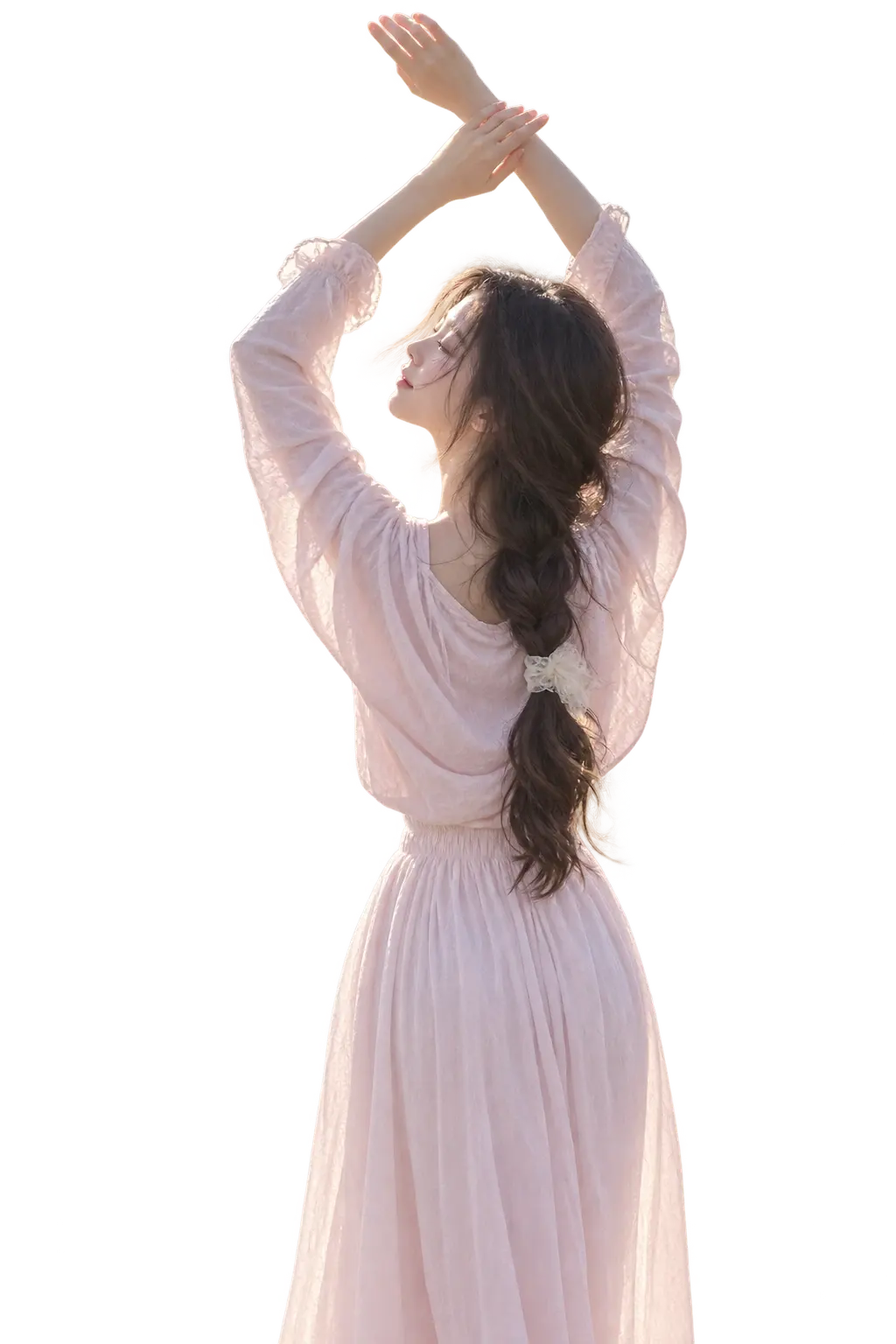
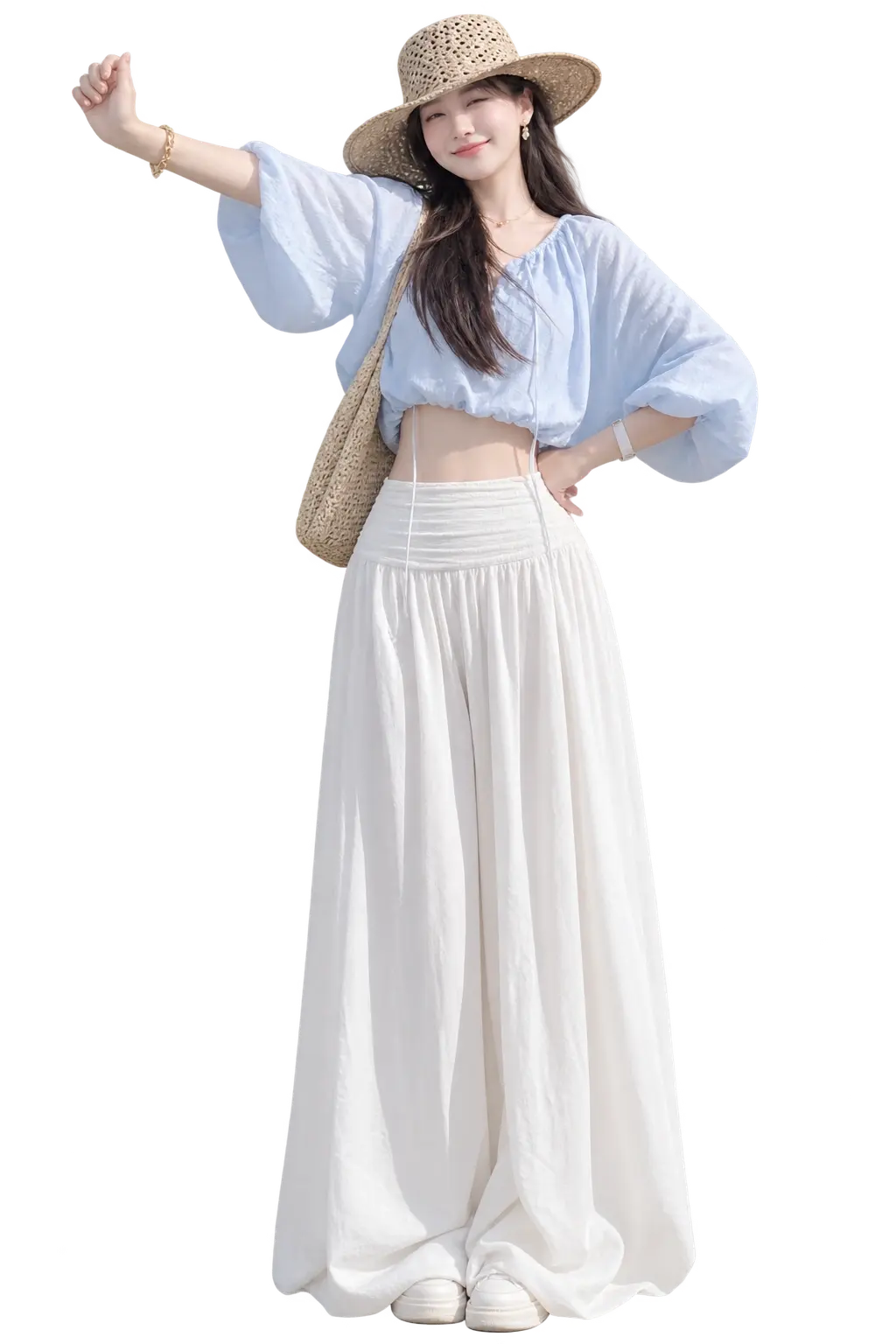
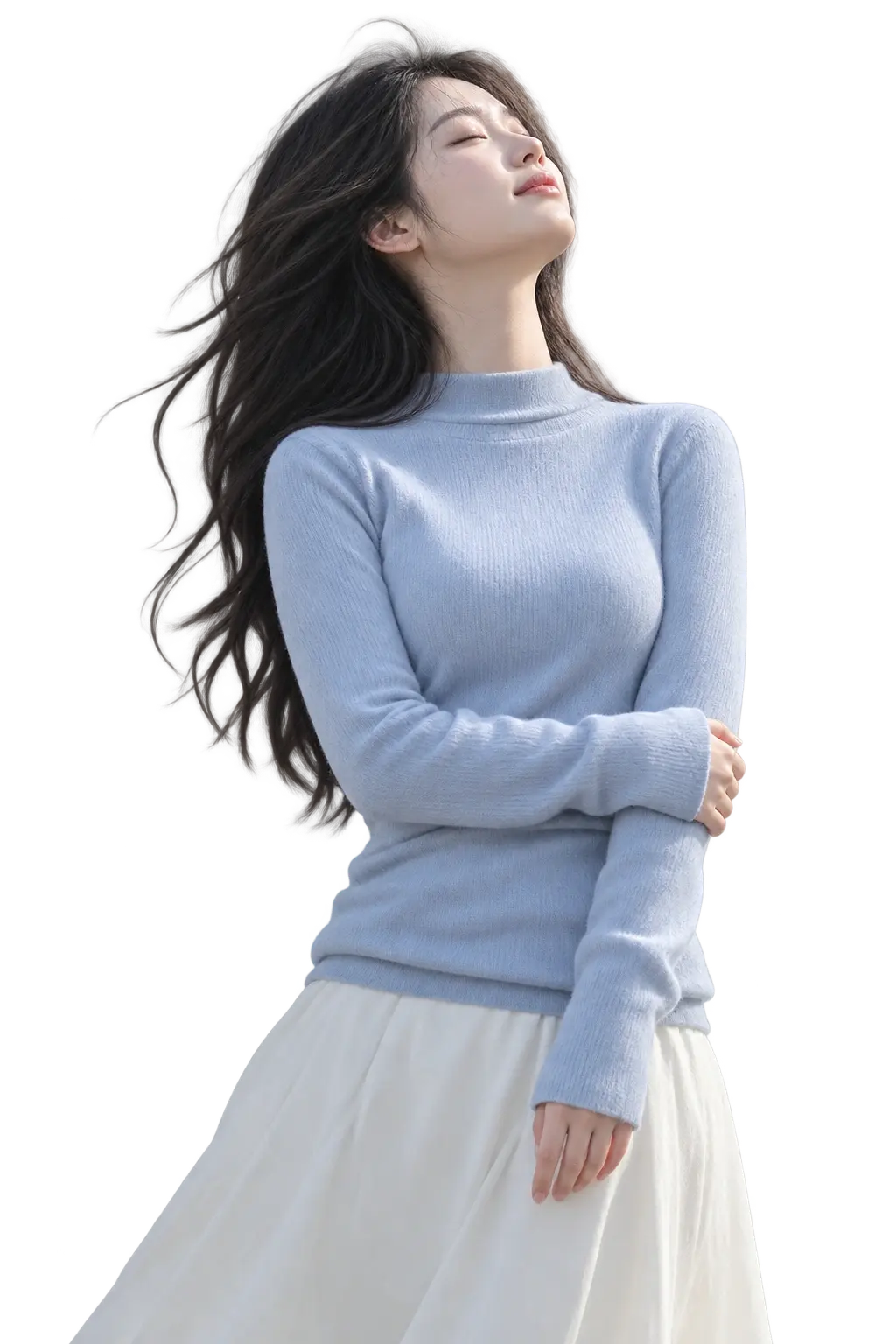
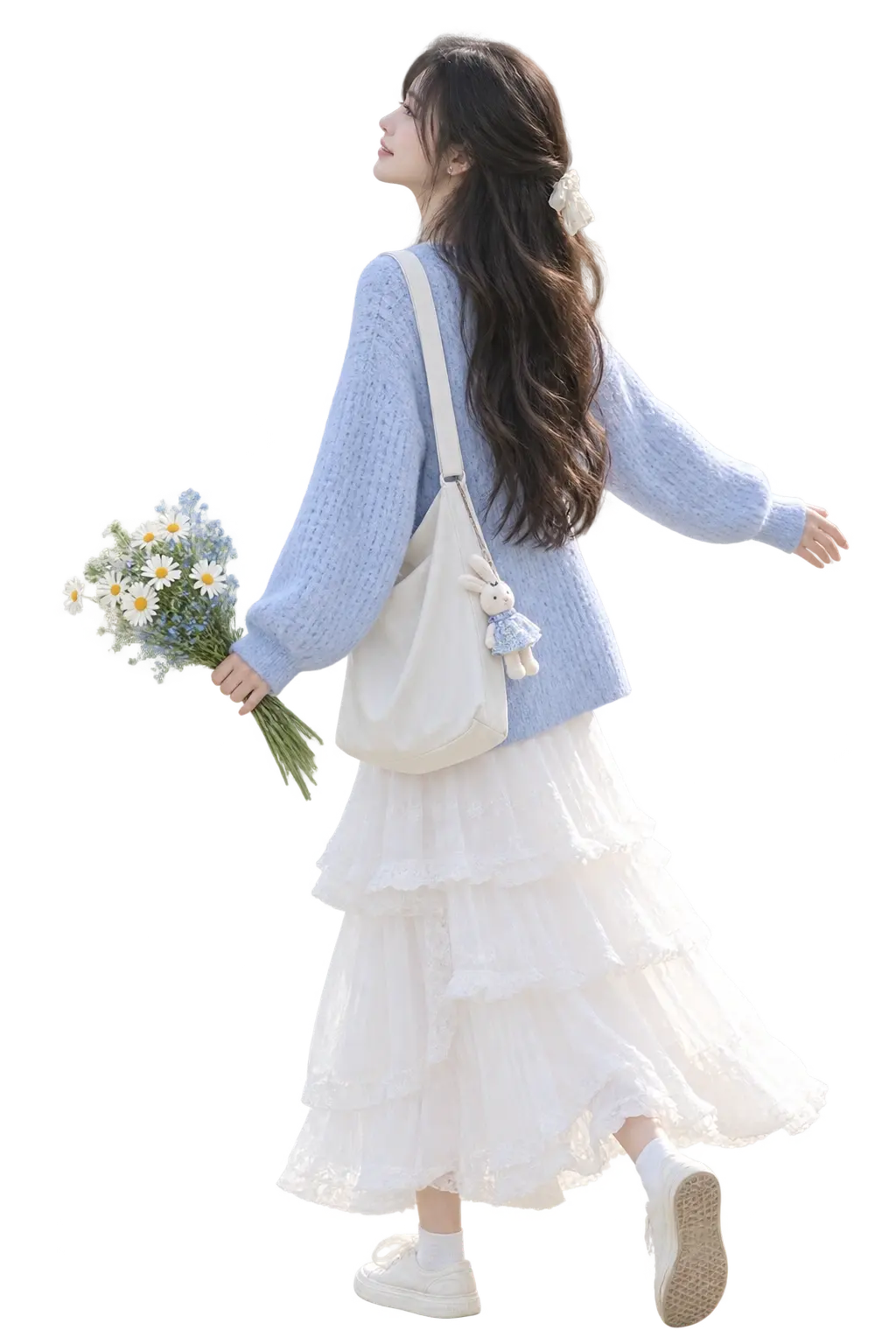
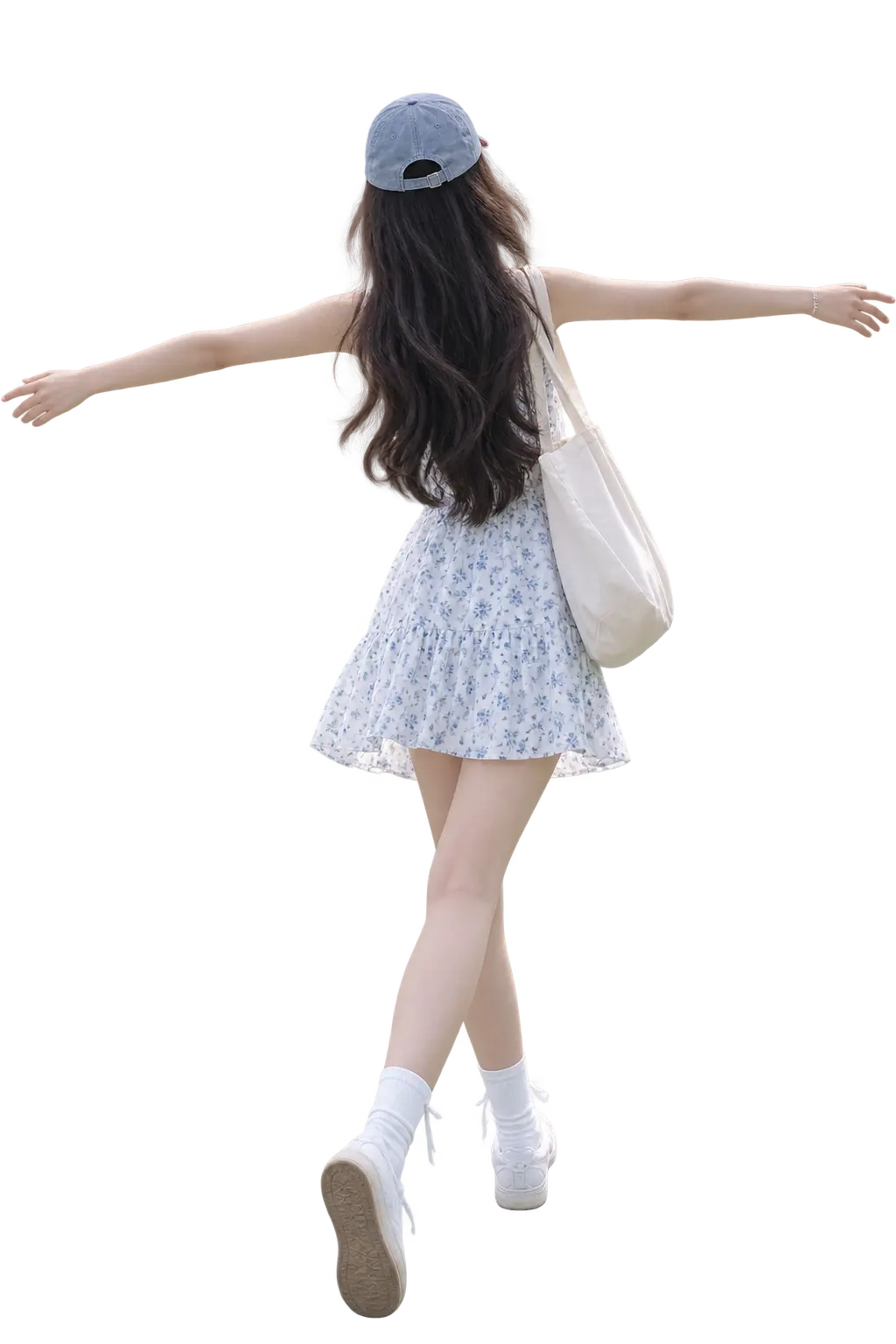
Showing 5 reference poses. Get the Posella app to see every pose in this setting and line up on them as you shoot.
Get it on Google PlayA meadow looks ordinary under frontal light and transforms completely when the sun is low behind it. Light passing through the thin blades makes them glow, creating a shimmering gold layer between the camera and the background. This effect is unavailable from any other angle and is worth timing the visit for.
The usable window is narrow: roughly the last forty minutes before sunset, with the sun close to the horizon. Stand so the sun is behind the subject and slightly off to one side rather than directly behind, to avoid flare washing the contrast out of the whole frame.
Hip-high grass and ankle-high grass are two different settings. With tall grass you have a foreground already: lower the camera so a few blades fall in front of the lens and blur, and the subject appears to stand within the layer. With short grass that foreground does not exist and the frame turns empty easily.
On short meadow, compensate by putting the camera close to the ground and placing the horizon high in the frame, or the opposite — horizon very low with sky filling most of it. Putting the horizon across the middle is the blandest option and the one most people default to.
This is a setting with essentially nowhere to shelter, so arriving at midday leaves you with no fallback. Overhead sun on bright grass gives harsh contrast, squinting and hard shadows across the face, and there is no wall or tree to step into.
So here the choice of hour matters more than everything else combined. If midday is unavoidable, turn your back to the sun and meter for the face, accepting a brighter background. A wide-brimmed hat also solves much of the problem, since it is shade you carry with you.
Turn on your camera and line yourself up with a reference pose. The web version is preview only — shooting and saving live in the app.
Drag to move the pose, pinch (or scroll) to resize.
Pose to try
Taking and saving photos is app-only.
