 PosellaPosella
Pickleball is growing fast and the courts give you strong block colour to shoot against. This set covers the ready stance before a serve, the swing itself, and resting against the net between games.
A pickleball court has an advantage few sports settings do: large blocks of colour, clean painted lines and strong contrast. Shooting slightly from above gives you a tidy graphic background straight away, with no extra setting required.
For posing, the ready stance before a serve is the easiest to photograph because it is static but still carries tension: knees slightly bent, weight forward, paddle up at chest height. Catching the swing itself needs a fast shutter, and is best shot in a burst and chosen afterwards.
Courts are usually outdoors in strong sun, so avoid midday — overhead light drops deep shadow into the eye sockets, which is worse still if the player is wearing a cap. Early or late gives angled light that flatters the face and brings out the texture of the surface.
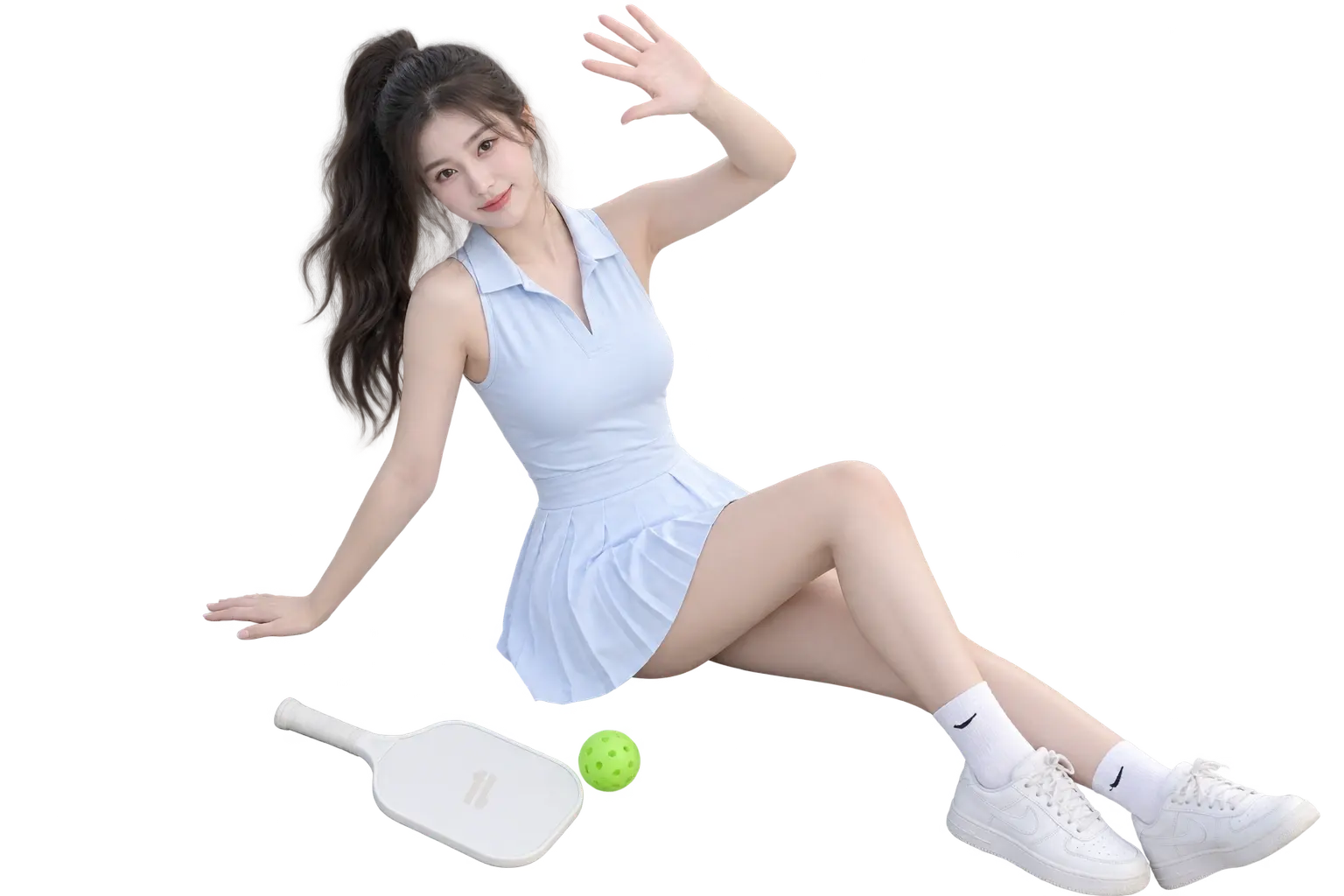
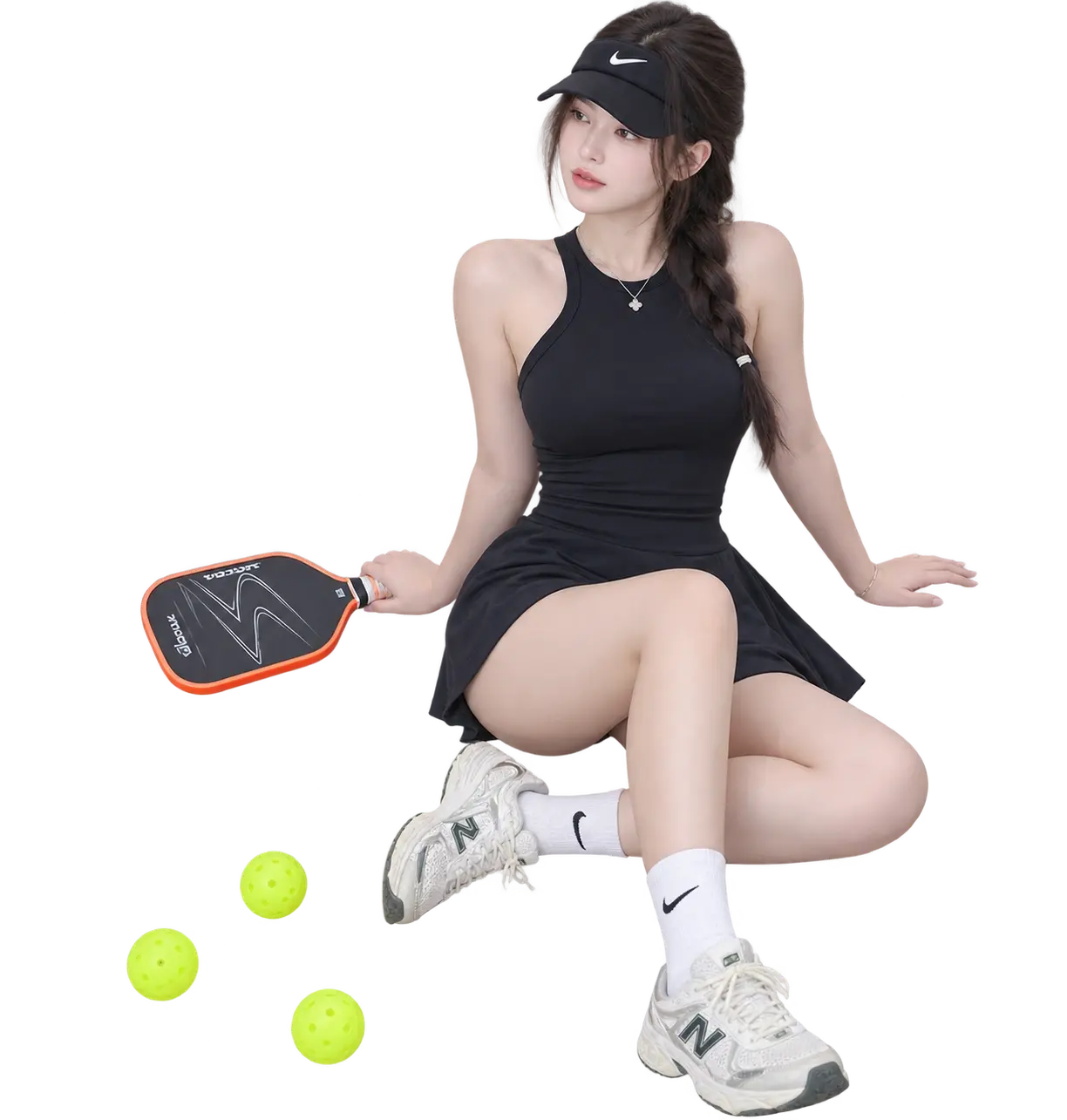
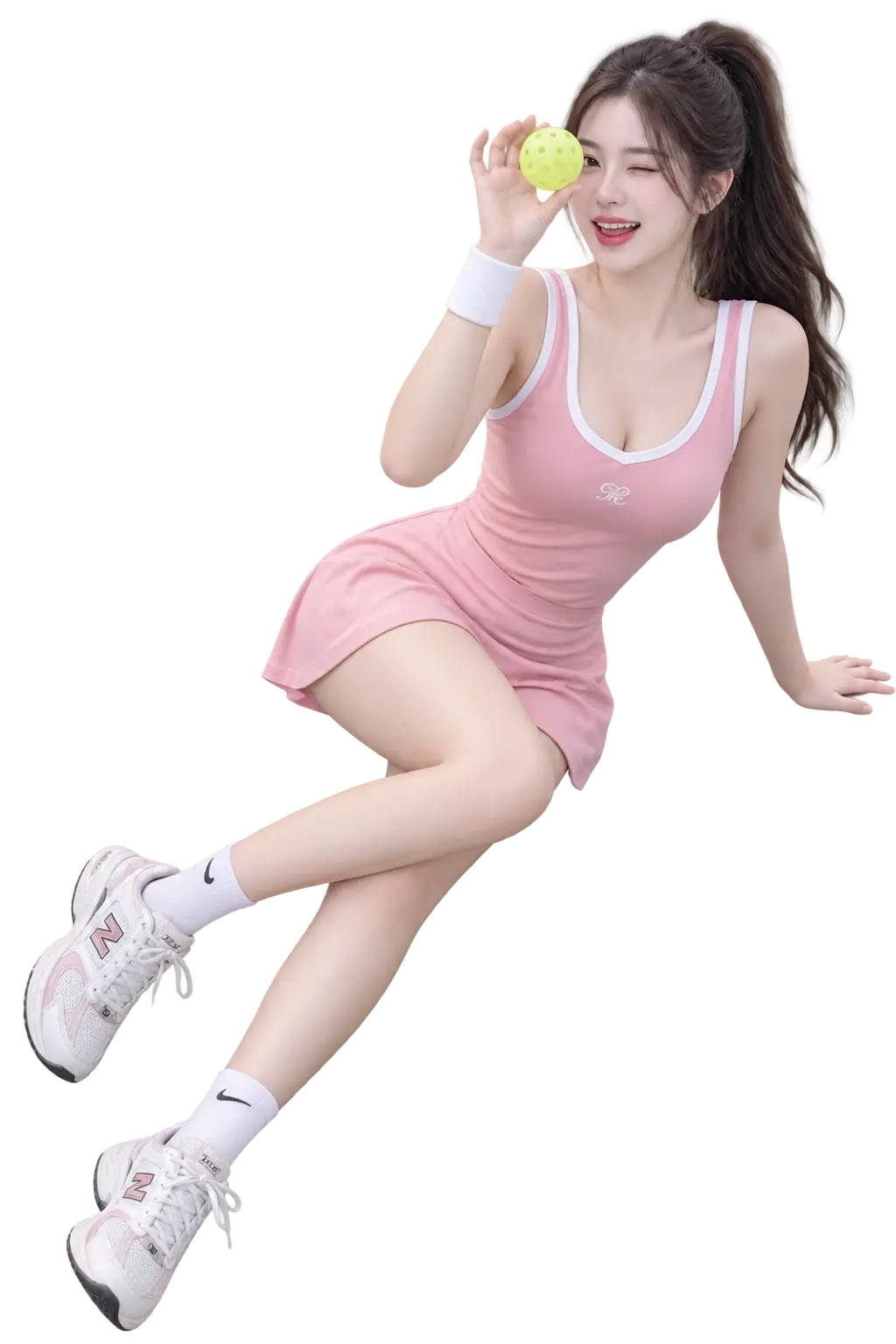
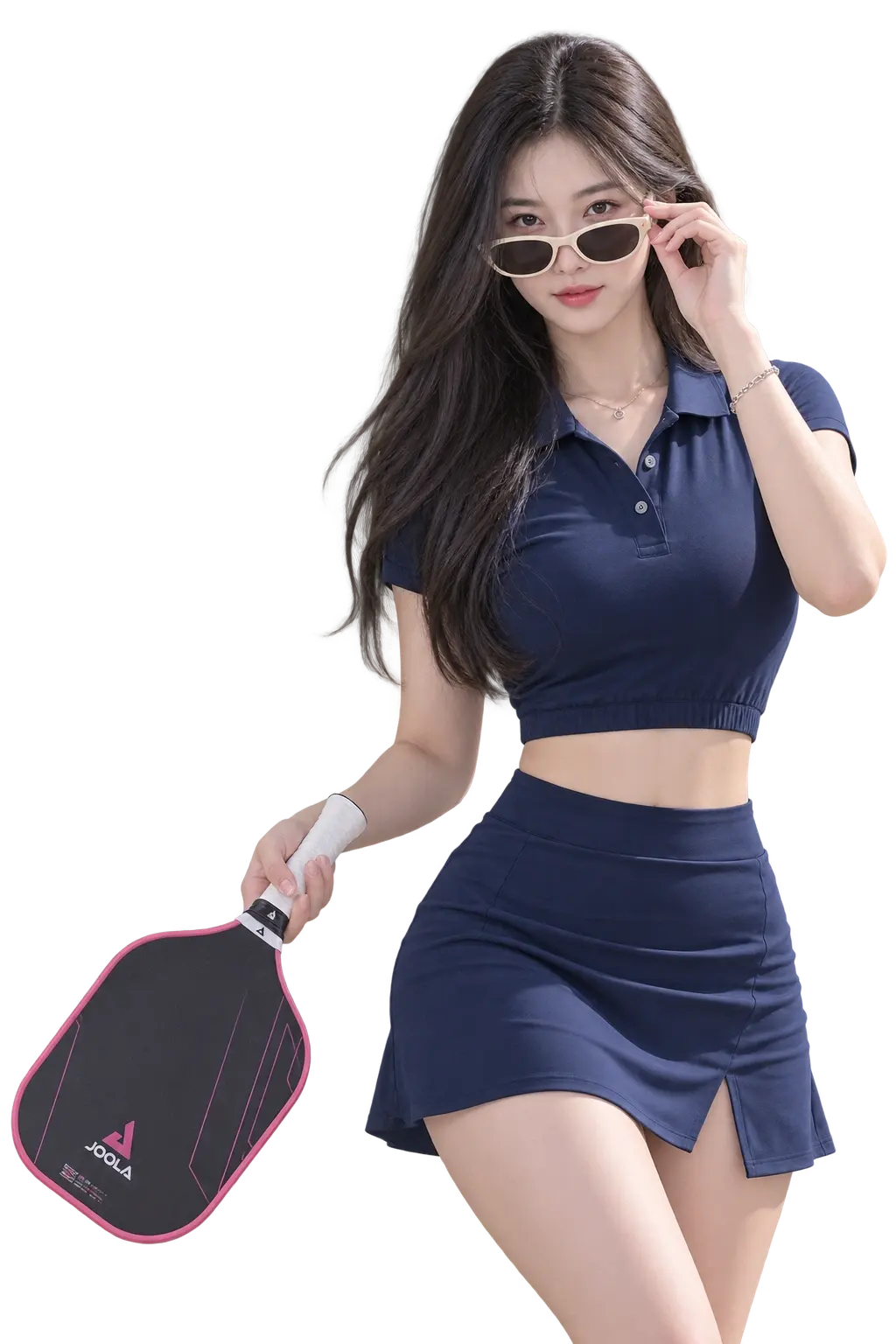
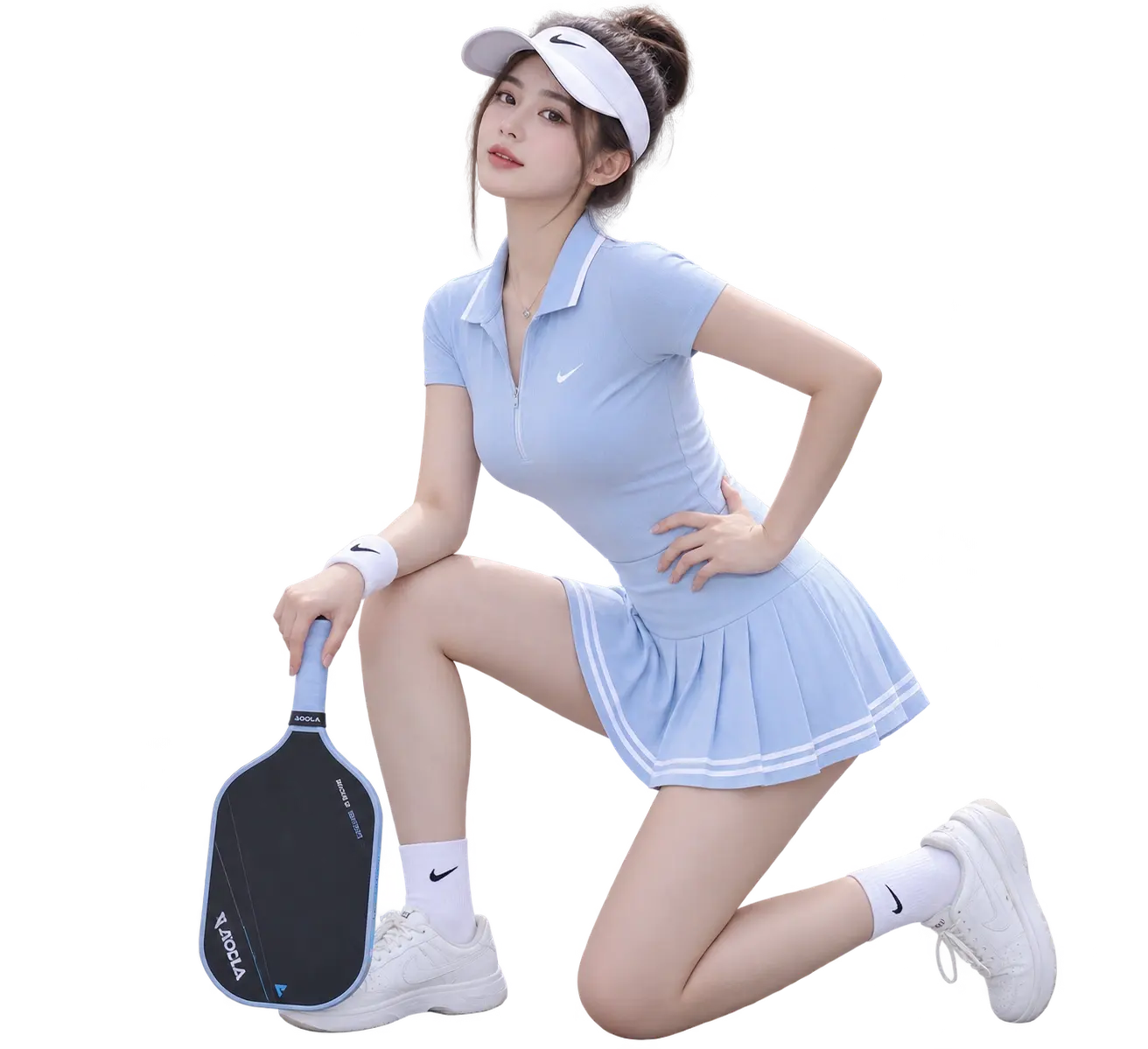
Showing 5 reference poses. Get the Posella app to see every pose in this setting and line up on them as you shoot.
Get it on Google PlayWithin a rally only a few hundredths of a second are worth photographing: contact between paddle and ball, the body at full extension, the top of a jump. A fraction early or late and the position becomes half-formed and the frame loses its energy even when everything else is right.
Do not try to hit the moment by reflex; the delay between eye and finger is enough to miss it. Use burst mode, start before the play develops and hold through the peak, then choose afterwards. It is the only approach with a consistent hit rate.
Outdoor courts usually have a pale surface, no shade anywhere, and play tends to happen mid-morning or early afternoon. Overhead sun plus reflection off the court produces hard shadow under cap brims and makes players’ eyes disappear completely.
Shooting in those hours, pick an angle with the sun behind you and off to one side so the player’s face is lit. Shooting low from the baseline also helps you see under the brim. Late afternoon is the ideal window, when the light comes across and the surface stops glaring.
Where you stand matters more than what you shoot with. Level with the net looking down the court gives strong perspective and covers both sides. From a corner shooting diagonally shows the whole body position far better than shooting from behind a player.
If you have to shoot through fencing, push the lens right up against the mesh and open the aperture — at that distance the fence blurs out and effectively disappears. Standing back from the fence is a reliable way to get a photograph crossed with a grid.
Turn on your camera and line yourself up with a reference pose. The web version is preview only — shooting and saving live in the app.
Drag to move the pose, pinch (or scroll) to resize.
Pose to try
Taking and saving photos is app-only.
