 PosellaPosella
A picnic is a seated setting, and sitting on the ground easily compresses your frame. This set favours propping on one arm and leaning back, lying on your side, and sitting with knees drawn up — all ways of putting a diagonal through the body.
A picnic is a seated setting, and sitting on the ground is the position most likely to compress your shape. Avoid it by not sitting upright and square. Prop on one hand and lean that way, or lie on your side on an elbow — both put a diagonal through the body instead of a square block.
Sitting with knees drawn up works too, but angle both knees to one side rather than pointing them at the lens. Knees aimed at the camera get enlarged and make your legs look short.
The hamper, a book, a glass should not just sit there as decoration — interact with them. Pouring a drink, lifting fruit out of the basket, turning a page all produce far more natural frames. On light, dappled shade under a thin canopy is very hard on faces; look for even shade or wait until the sun softens.
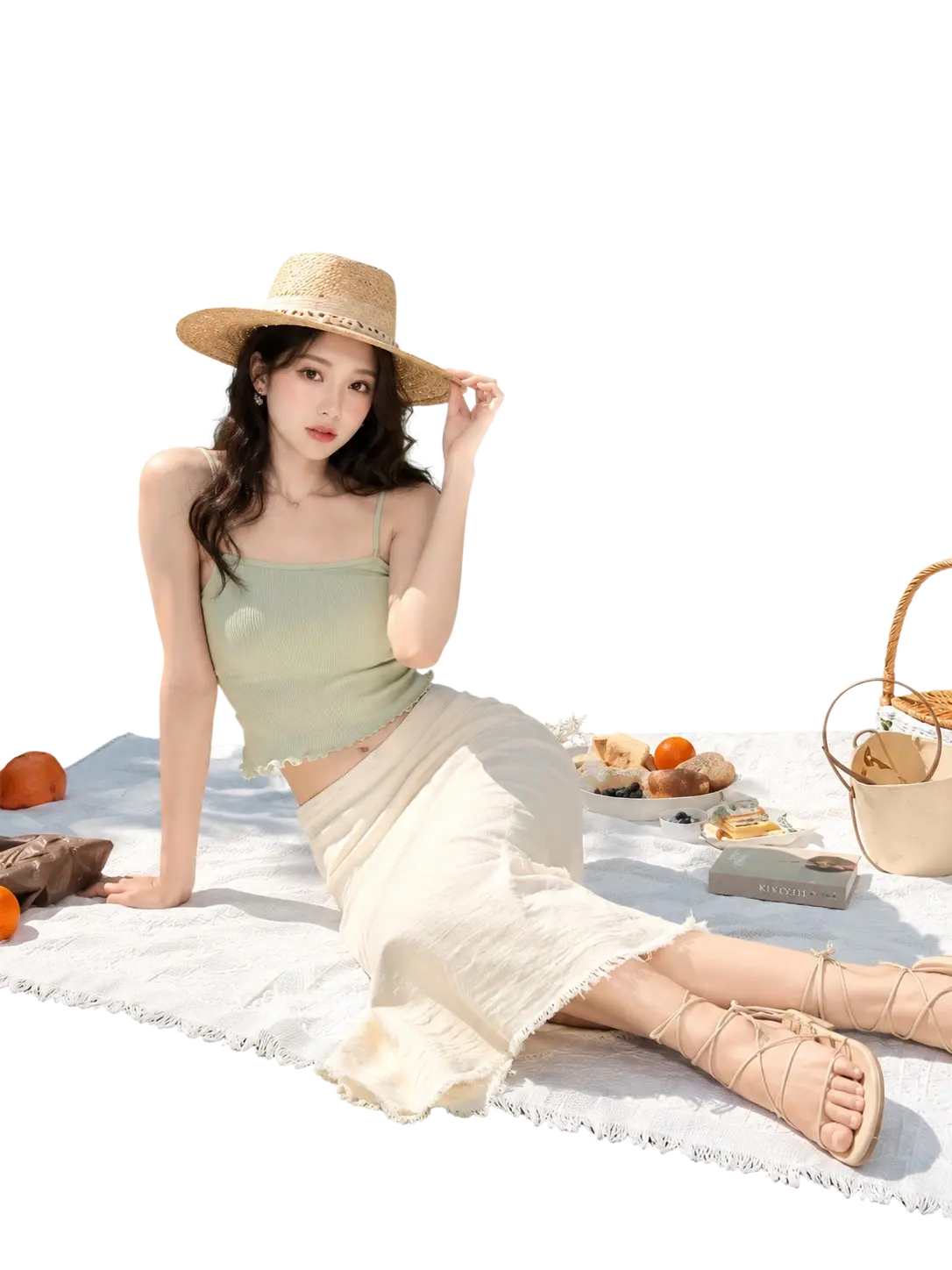
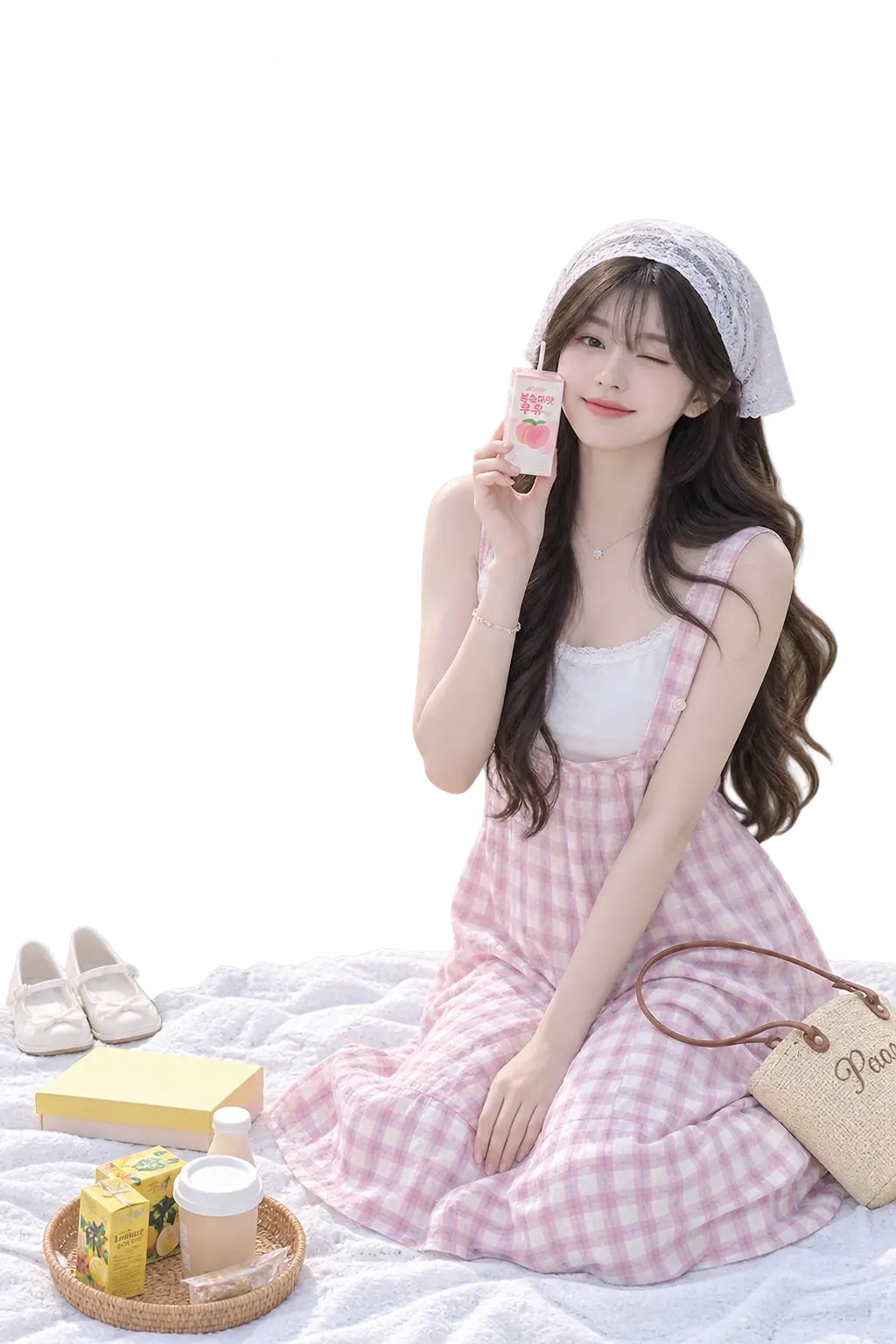
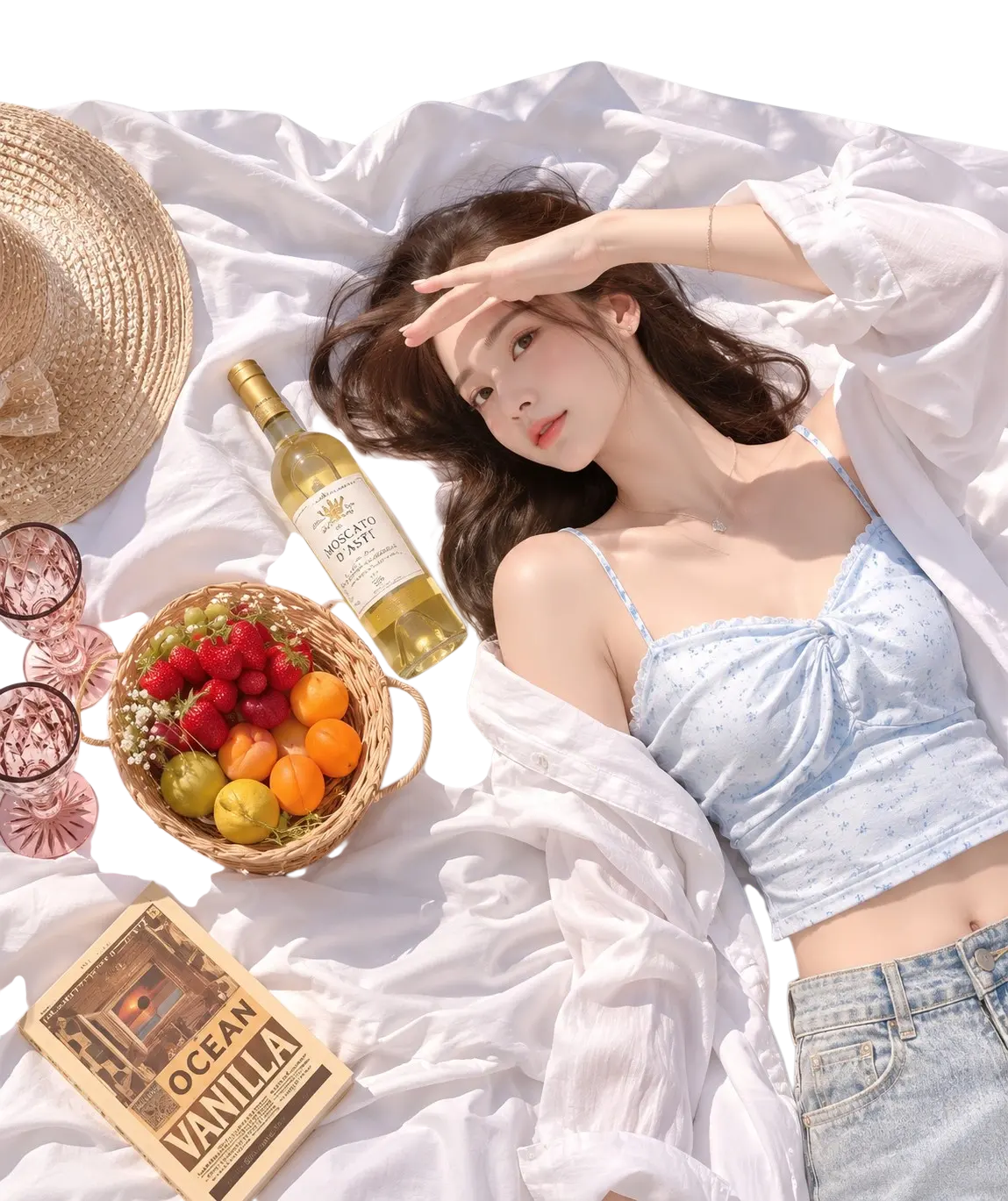
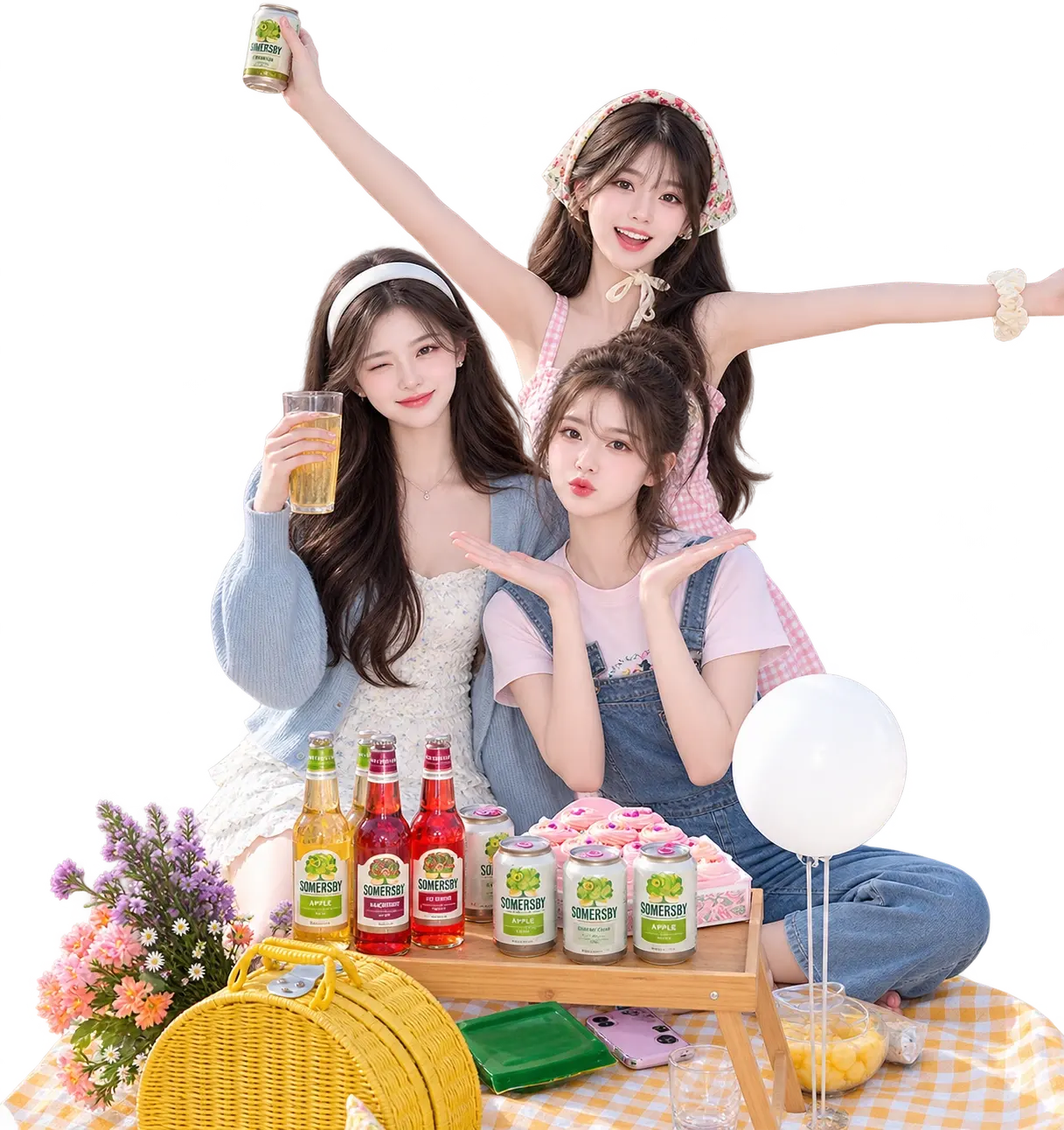
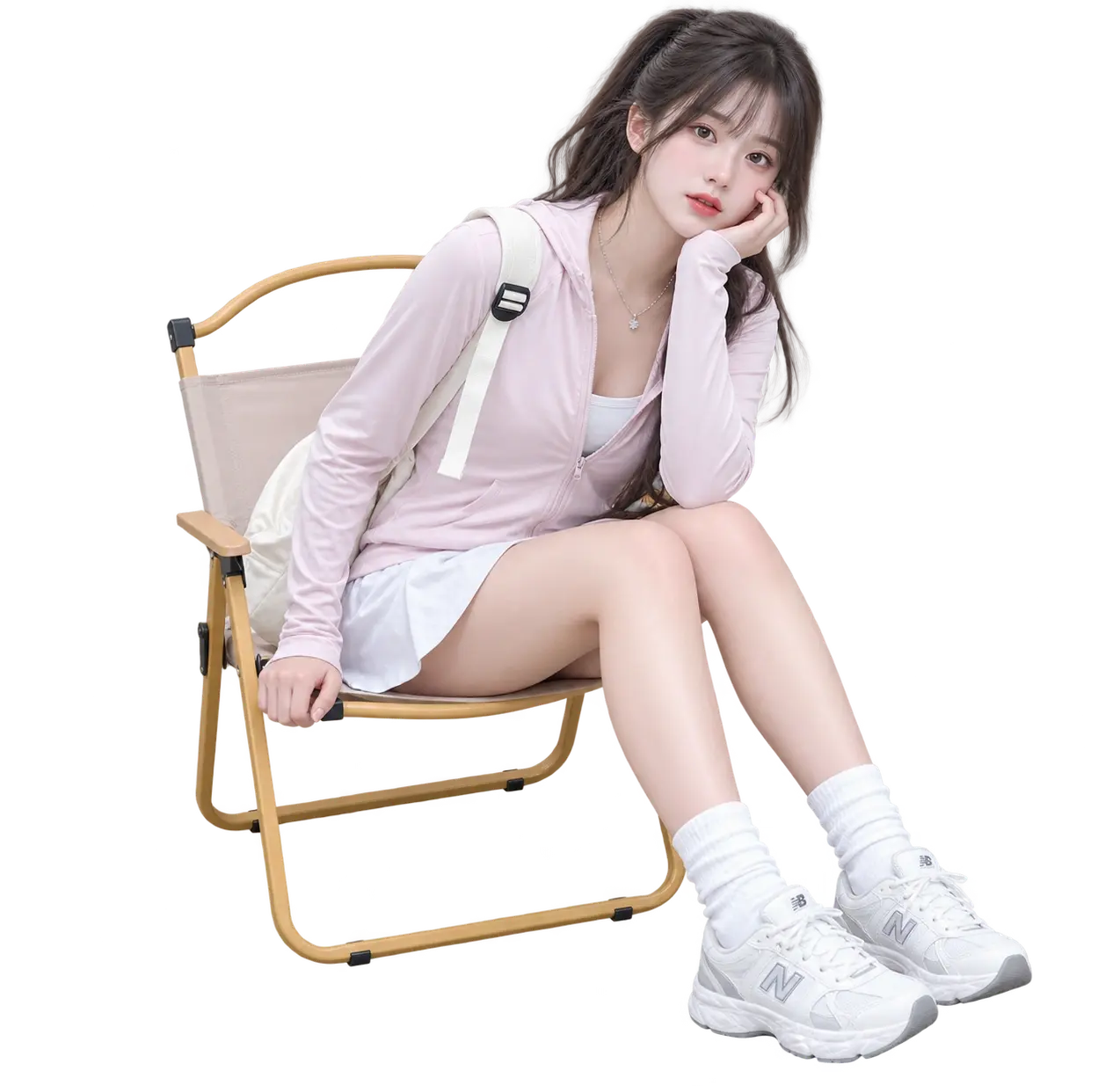
Showing 5 reference poses. Get the Posella app to see every pose in this setting and line up on them as you shoot.
Get it on Google PlaySpreading a blanket under a tree sounds sensible because it is cool, but sunlight through gaps in the leaves throws countless small bright spots onto faces and food. In the photograph these become blown white patches between dark areas, and they cannot be recovered afterwards because the information in them is gone.
Look for continuous shade rather than broken shade: the shadow of a building, a very dense canopy, or the edge of a tree where light arrives evenly from open sky. If you must sit under thin cover, wait for cloud or shoot once the sun is low.
The photograph looking straight down at the whole blanket with food arranged around it is the signature frame of this setting. What decides whether it works is whether the camera is truly perpendicular to the ground. A few degrees off and a rectangular blanket becomes a trapezoid and the whole composition looks careless.
Turn on the grid and the level, stand directly above, and check before pressing. Arrange the food in clusters rather than spreading it evenly: a few groups with space between them read far more clearly than a surface covered edge to edge.
The blanket occupies most of the frame in nearly every angle, so its colour affects the picture more than anything else, clothing included. A classic red-and-white check is a strong pattern that competes with everything placed on it.
A plain neutral — beige, cream, pale blue — makes a much better base and lets the food and the clothing come forward. A pale blanket also has a useful side effect: it bounces light back up into the faces of people sitting on it, softening shadows under the chin like a reflector laid on the ground.
Turn on your camera and line yourself up with a reference pose. The web version is preview only — shooting and saving live in the app.
Drag to move the pose, pinch (or scroll) to resize.
Pose to try
Taking and saving photos is app-only.
