 PosellaPosella
A staircase hands you a diagonal, which is what every composition wants. This set covers sitting on the steps, walking up while glancing back, and leaning on the banister. Shooting from below lengthens the legs; from above reads softer.
A staircase is one of the easiest places to get a good photograph, because it hands you the thing every composition wants: a diagonal. Steps, handrails and banisters are natural leading lines that pull the viewer's eye toward you, which a flat wall cannot do.
The camera angle decides the result. Shooting from below while you stand a few steps up lengthens the legs and adds height. Shooting from above feels softer and more intimate, and suits poses seated on the steps. The same staircase gives you two very different photographs depending on which you choose.
The most useful pose is walking up and glancing back — it has movement, it puts an attractive twist through the upper body, and it solves the hands, because one will naturally find the rail. When sitting on the steps, do not sit square: turn at an angle and place your feet on different steps to avoid a wide, blocky shape.
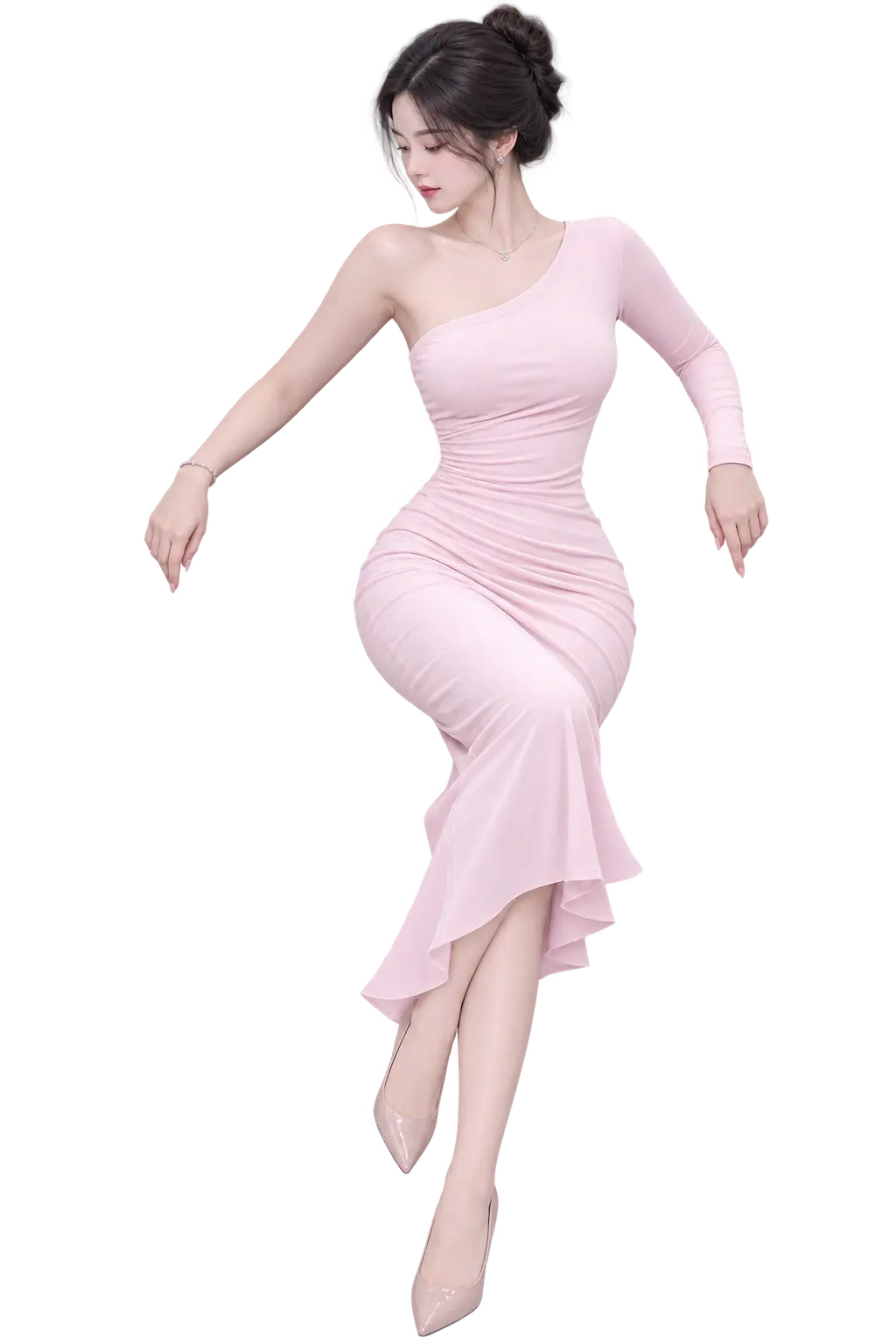
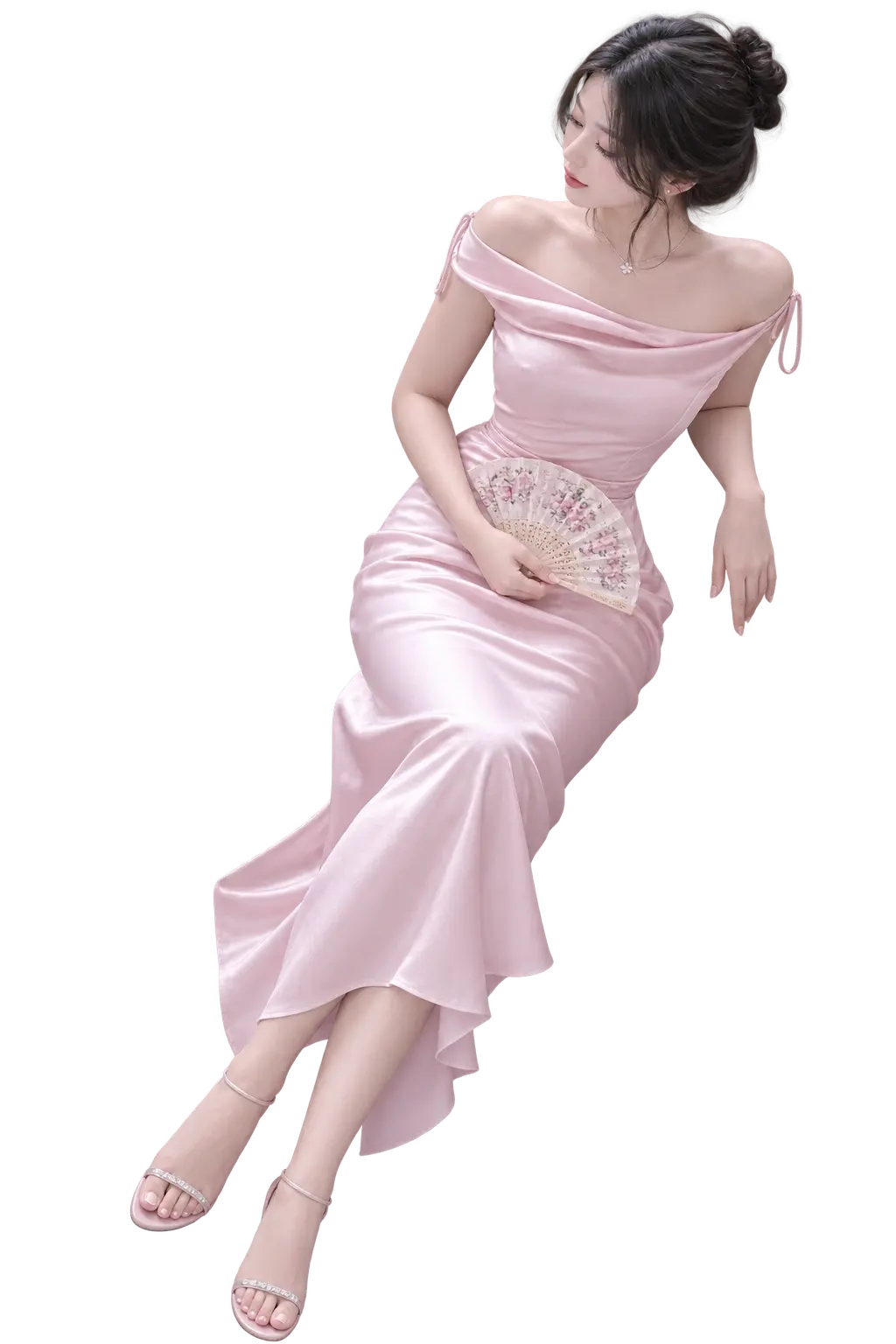
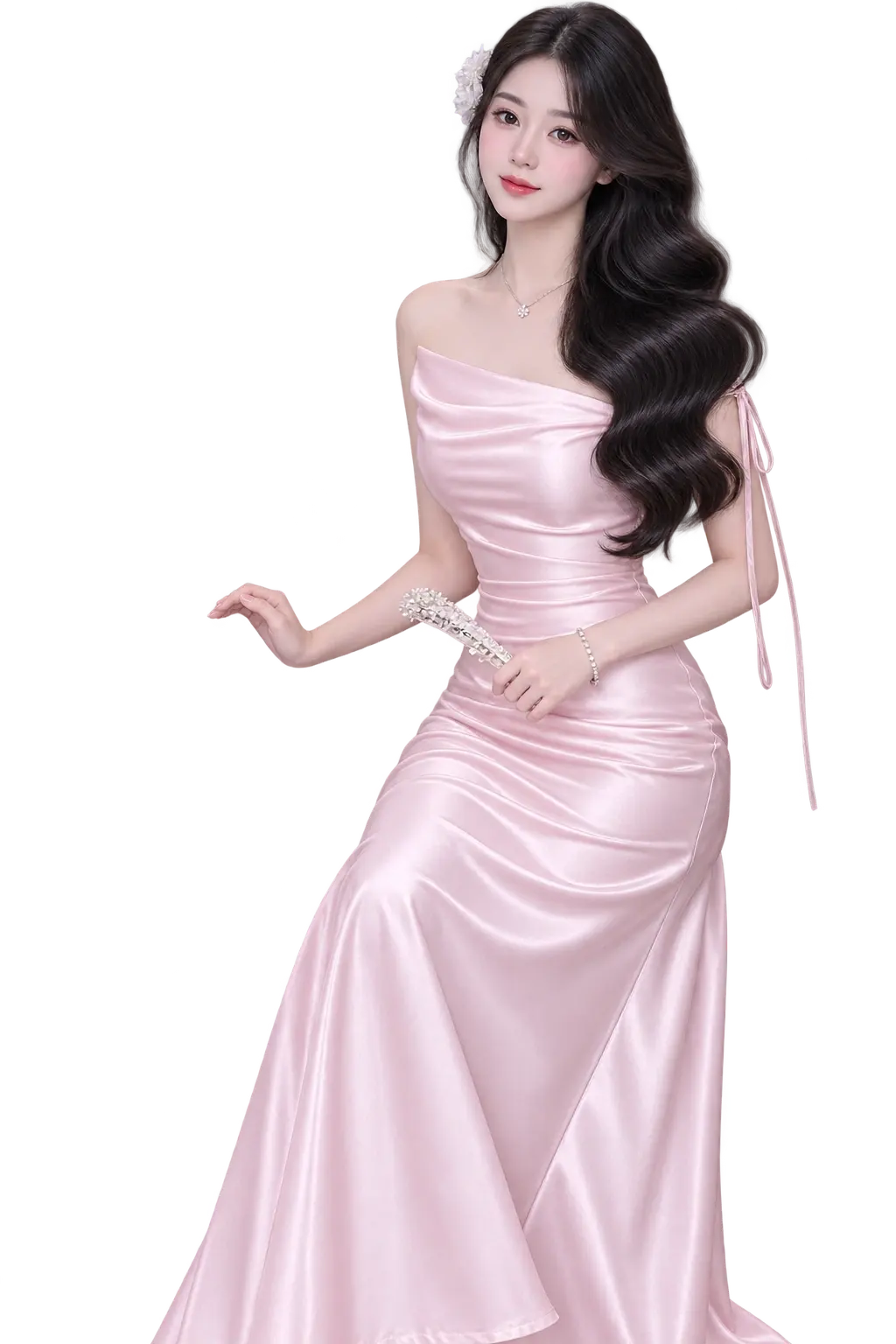
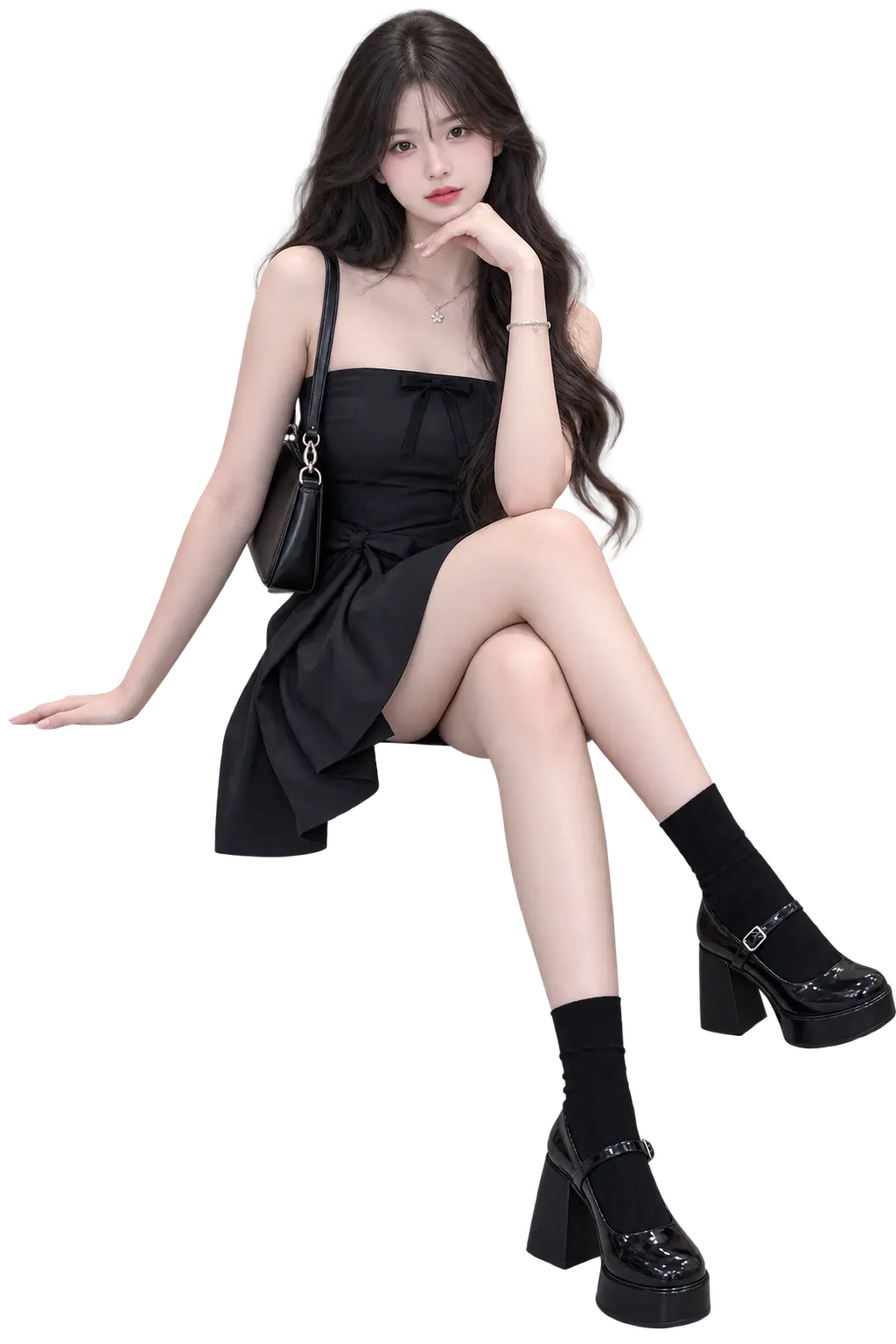
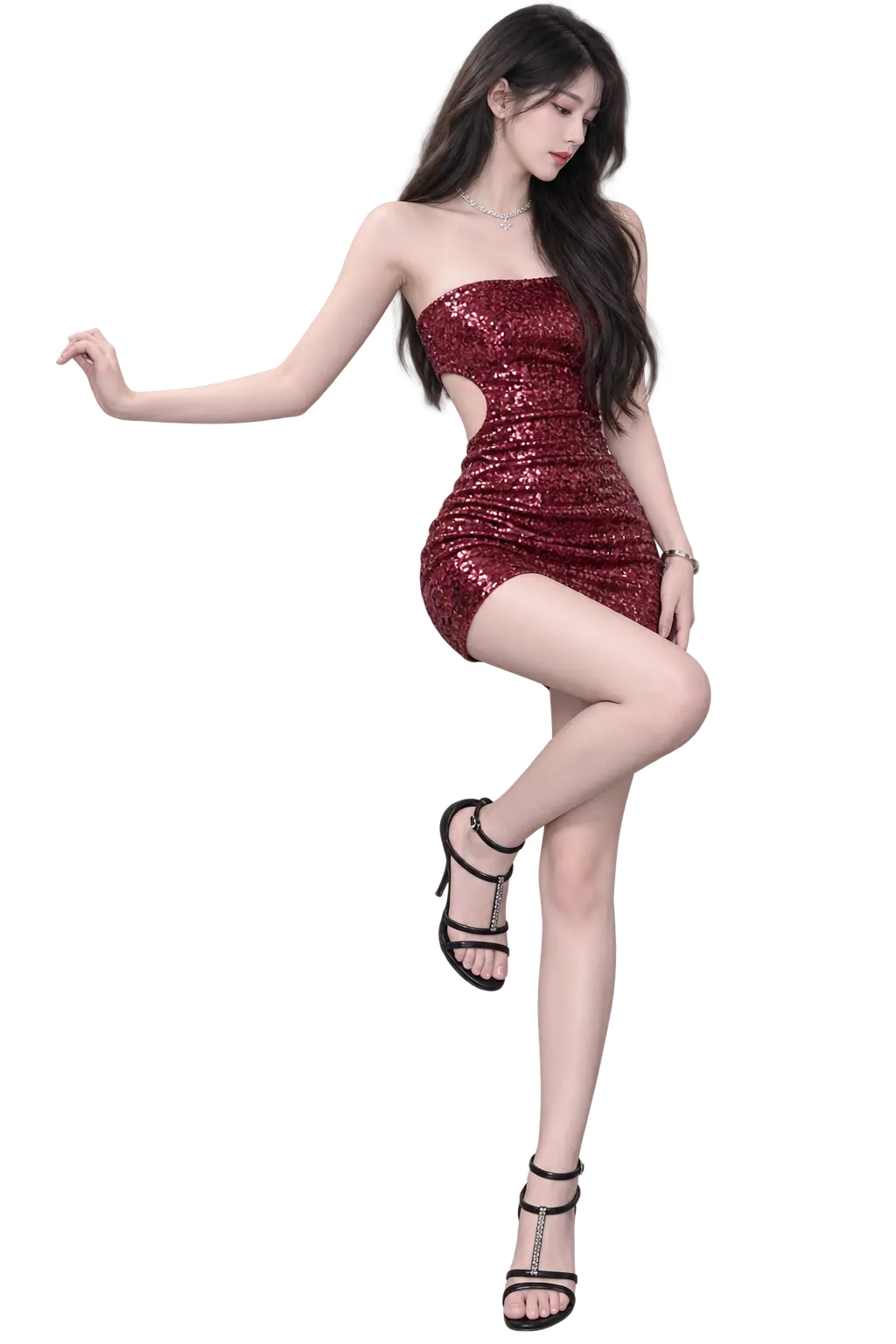
Showing 5 reference poses. Get the Posella app to see every pose in this setting and line up on them as you shoot.
Get it on Google PlayMost settings offer only horizontals and verticals: walls, floors, doorways. Stairs are one of the few places with a strong built-in diagonal, and a diagonal is the most effective way to lead the eye through a composition. Put a person somewhere along it and the photograph acquires structure almost by itself.
To use it, shoot from an angle rather than square on. Face a staircase head-on and the steps become a stack of parallel horizontal lines and the whole advantage vanishes. Moving a few paces to one side turns those horizontals into diagonals.
Sitting on stairs solves several of the hardest posing problems at once. The legs have somewhere natural to go and form angles rather than two parallel lines. The hands have a rail or a knee to rest on. And sitting is genuinely comfortable, so the expression relaxes with the body.
Sit at an angle rather than facing the camera straight on: turn the hips to one side and put the feet on two different steps so the knees sit at different heights. An elbow on the upper knee is a stable position that reads naturally in most situations.
Stairs are one of the few settings that let the photographer stand clearly above or below the subject, and the two directions give opposite results. From above, the figure is compressed, the eyes read larger and the mood is softer. From below, the legs lengthen, the person looks taller and the mood is stronger.
If the staircase has a stairwell or a spiral, try shooting straight down or straight up through it. That angle belongs to this setting alone, and it is usually the most distinctive frame of the whole set.
Turn on your camera and line yourself up with a reference pose. The web version is preview only — shooting and saving live in the app.
Drag to move the pose, pinch (or scroll) to resize.
Pose to try
Taking and saving photos is app-only.
