 PosellaPosella
The hard part of shooting on the street is that the background is always cluttered. This set handles it by placing you where there are clear leading lines: along crosswalk stripes, against a flat block-coloured wall, or walking so the crowd blurs out.
Shooting on the street is hard not because there is too little going on but because there is too much. An urban background always has signs, traffic, cables and passers-by, and all of them compete with you for attention. The first decision is not the pose, it is the background: a flat block-coloured wall, a row of shutters, an alley with a clear line down it.
A walking pose almost always beats standing still on a street. Posing in the middle of a pavement looks like what it is; walking does not. The practical method is to walk the same stretch several times while the shutter fires, rather than trying to hold one position. Take a slightly longer stride than usual so your legs separate clearly — a short stride merges them into one shape.
If the background is hopeless and you cannot move, get closer and open the aperture, or use portrait mode, so it falls out of focus. Another option is to stand where people are passing and use a slow shutter: the crowd behind blurs into streaks while you, standing still, stay sharp.
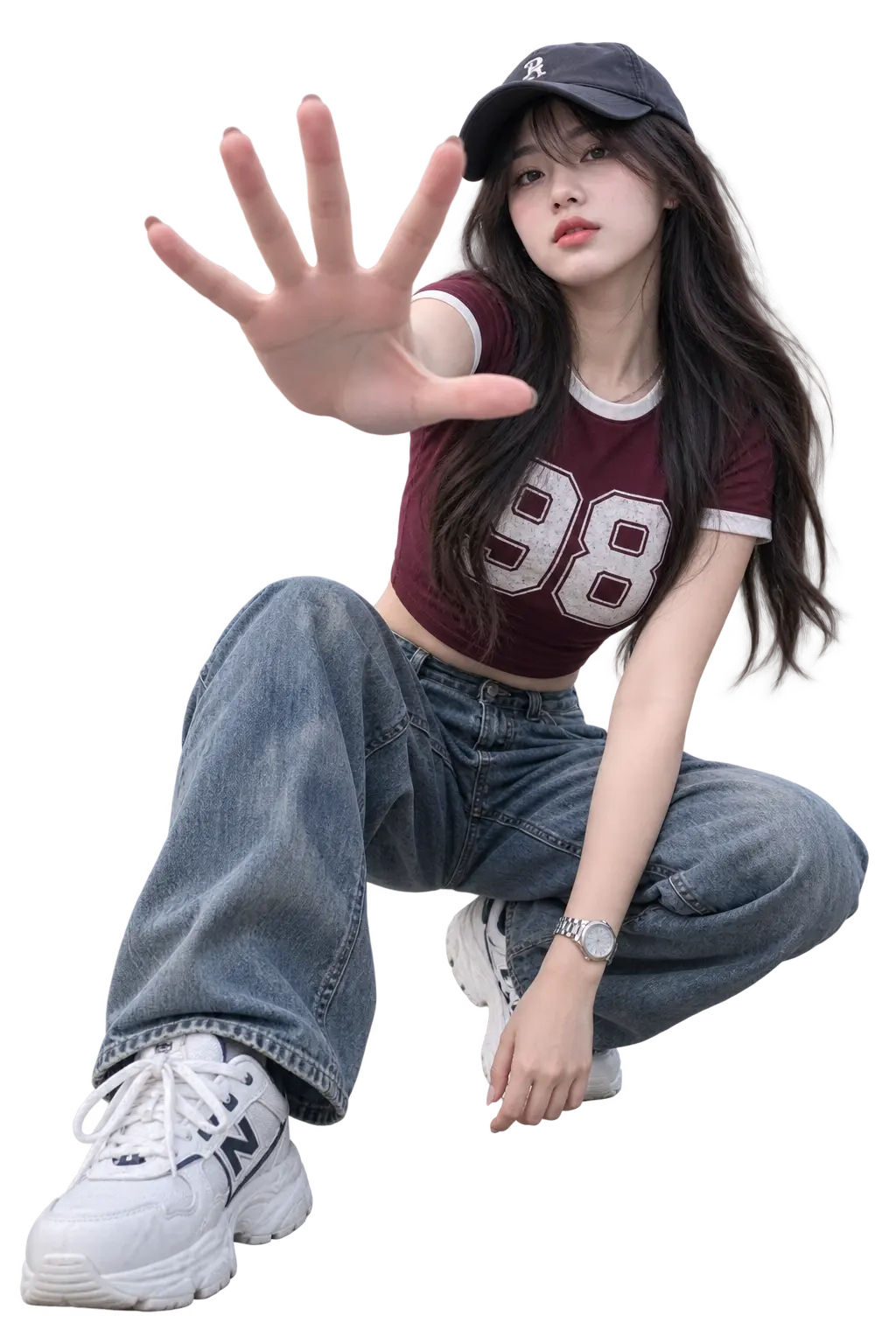

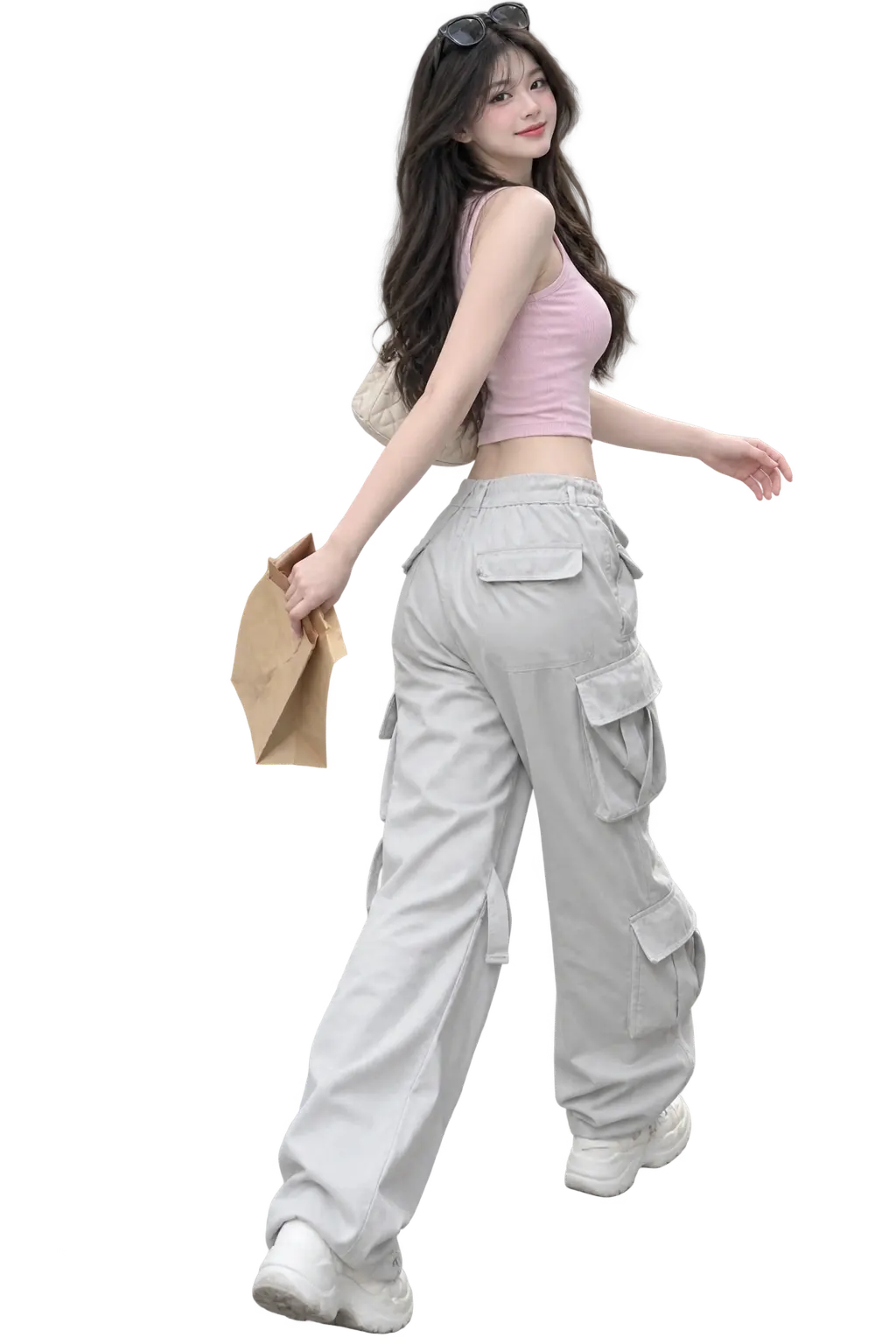
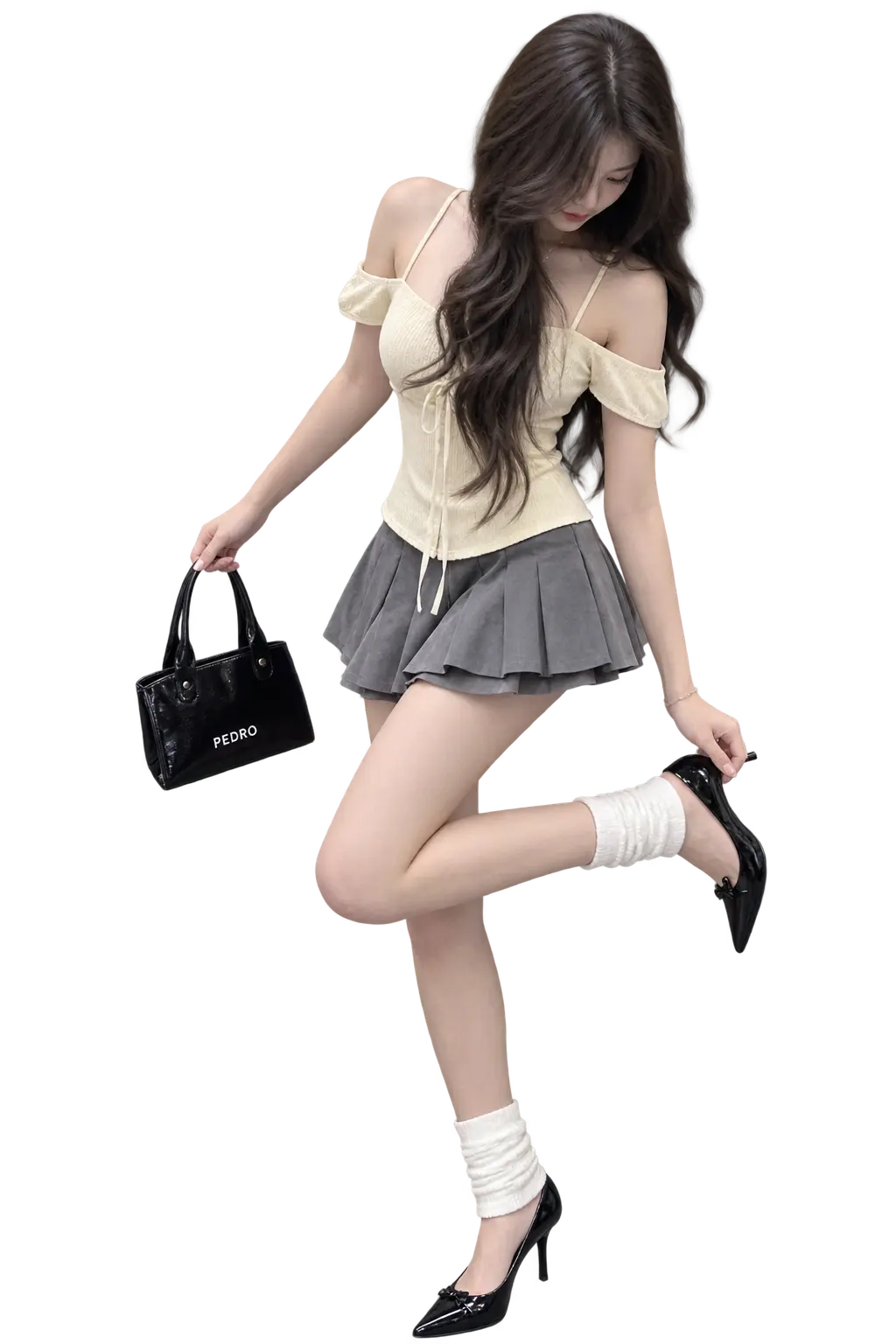
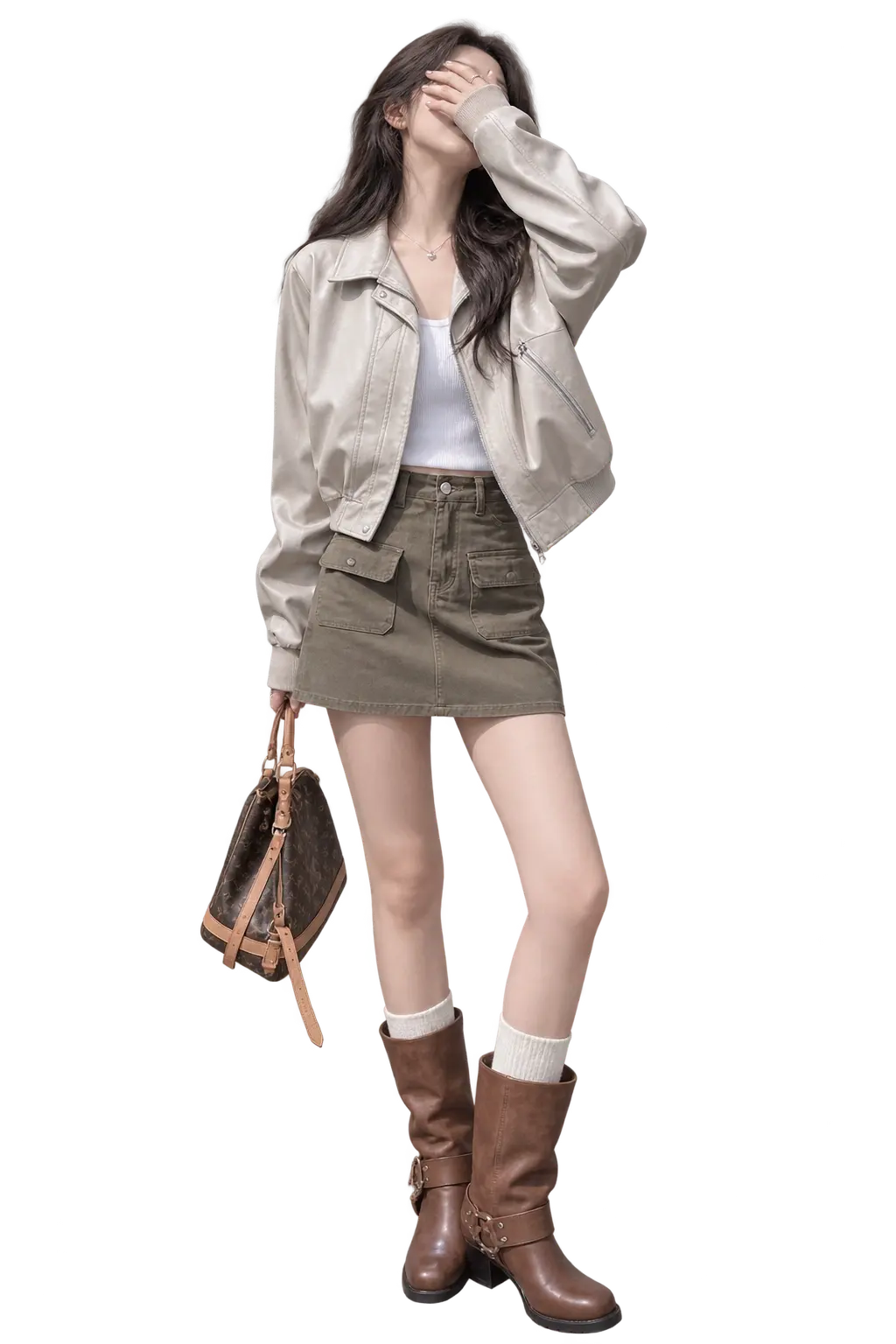
Showing 5 reference poses. Get the Posella app to see every pose in this setting and line up on them as you shoot.
Get it on Google PlayA street contains everything a good background should not: strangers walking through, large lettering on signs, brightly coloured vehicles, cables, bins. Any one of them is enough to pull the eye off the subject, and on a street they all arrive at once.
Two things narrow the problem. Blur the background by standing further away and zooming in, so the crowd dissolves into patches of colour. Or find a plain wall, a shutter, a run of brick — every street has one, and it usually means walking another fifty metres instead of stopping at the busiest point.
The real strength of a street setting is not the bustle but the straight lines: road markings, rows of columns, terraces, rails, covered walkways. These converge into the distance and create strong perspective, which natural settings almost never provide.
The simplest way to use it is to stand within such a line and let it run away behind you — between two rows of columns, down the middle of an alley, along a colonnade. A low camera positioned centrally in the line gives the strongest effect.
Standing still on a pavement is the most awkward-looking thing you can do on a street, because it contradicts the setting: everything around is moving and the subject is rigid. That mismatch is why staged street photographs so often feel false.
Walking toward the camera or across the frame solves both the posing problem and the expression problem. A stride puts angles in the legs, sets clothing moving, and relaxes the face because it is busy doing something else. Shoot continuously through the walk, and time the frame for the moment the leading foot lands.
Turn on your camera and line yourself up with a reference pose. The web version is preview only — shooting and saving live in the app.
Drag to move the pose, pinch (or scroll) to resize.
Pose to try
Taking and saving photos is app-only.
