 PosellaPosella
The poses being shared most on social media right now, refreshed often so your photos never look dated. This is the best place to start if you freeze up in front of a camera: every pose here flatters a wide range of body types and needs no elaborate setting.
What trending poses have in common is not that they look unusual — it is that they are easy to copy. A pose that spreads is usually two or three simple movements: a tilt of the body, a hand to the hair, a gaze away from the lens. Anyone can reproduce it after seeing it once, which is exactly why it travels.
If you are just starting out, pick a pose that gives your hands a job or your body something to lean on. Standing upright with both arms hanging down is the hardest position in front of a camera, because there is nowhere to put the awkwardness. One hand touching your hair, holding a hem, or slipped into a pocket changes the whole line of the body.
One rule carries almost every pose in this set: put your weight on the back foot and turn about 45 degrees away from the camera rather than facing it square. That stance puts a soft curve through the torso and narrows the shoulders. Standing square to the lens is the single most reliable way to get a flat, stiff photograph.
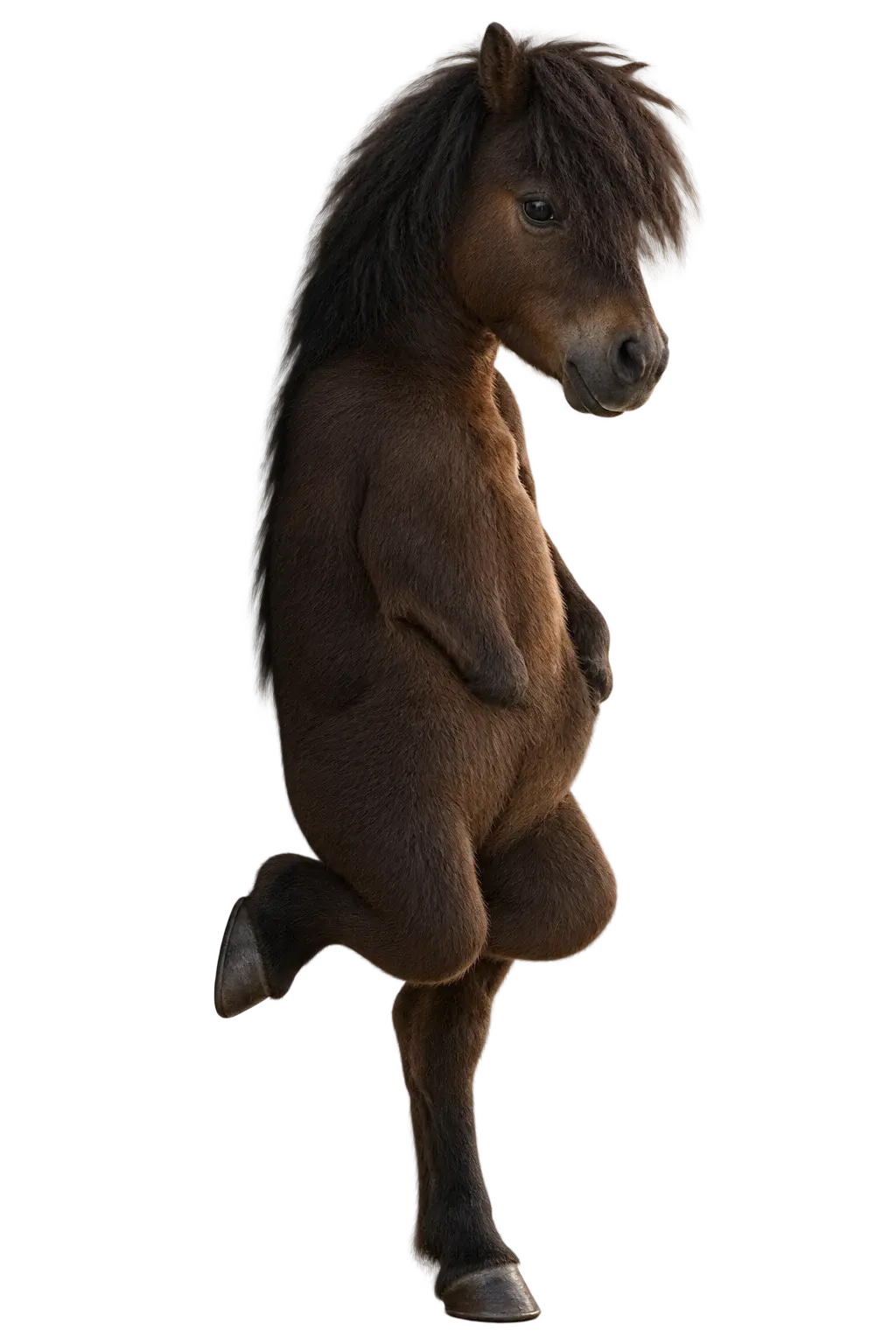
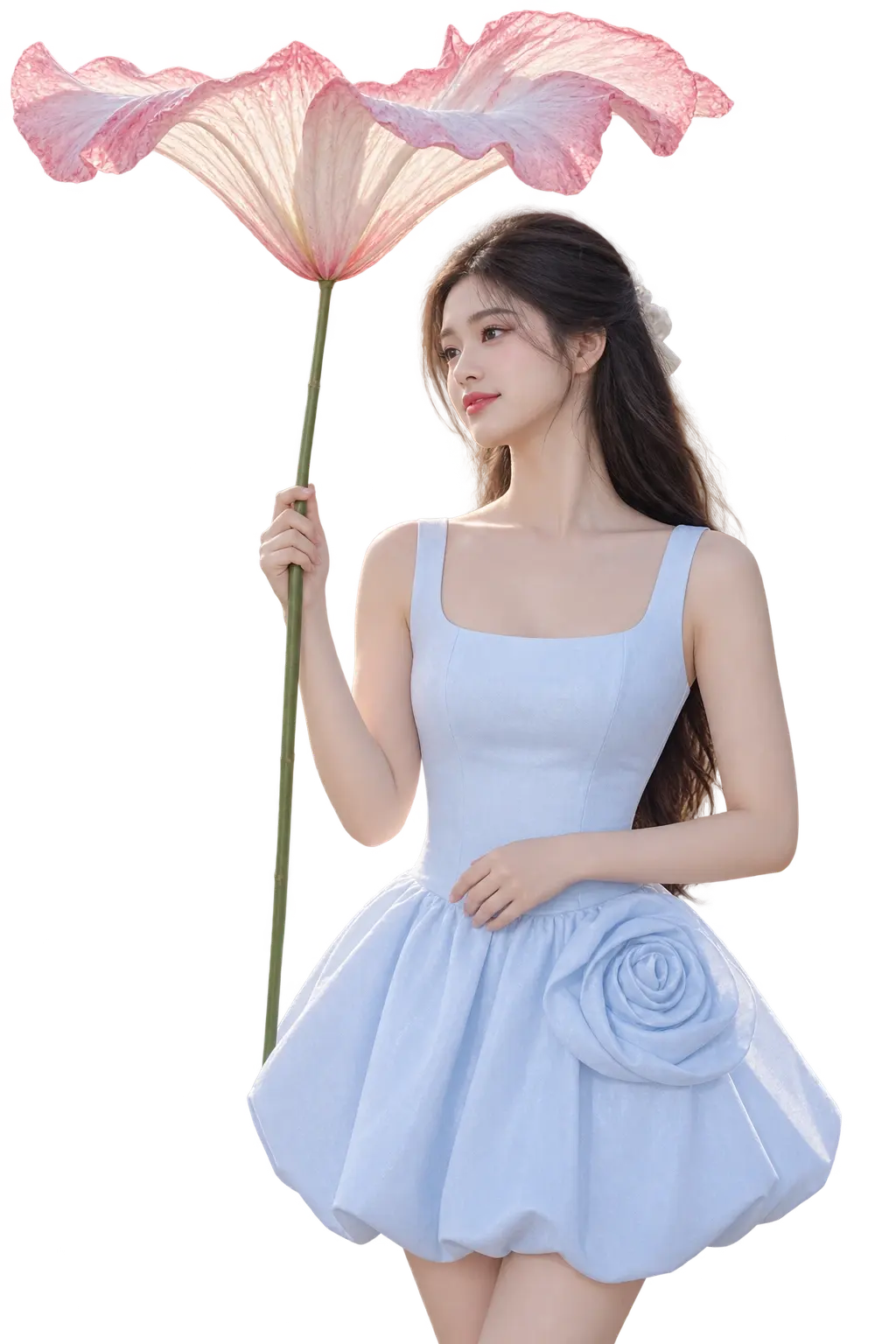
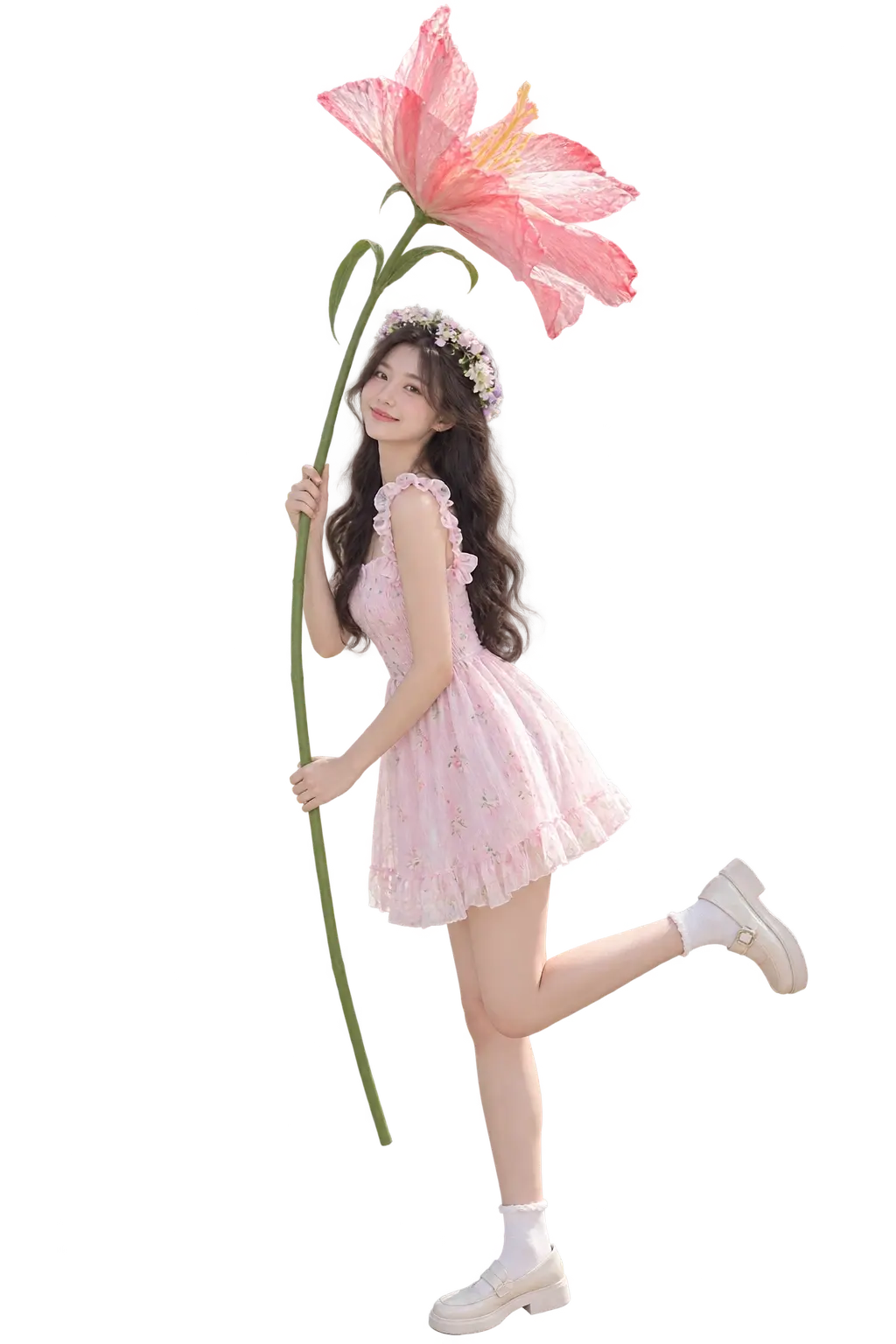
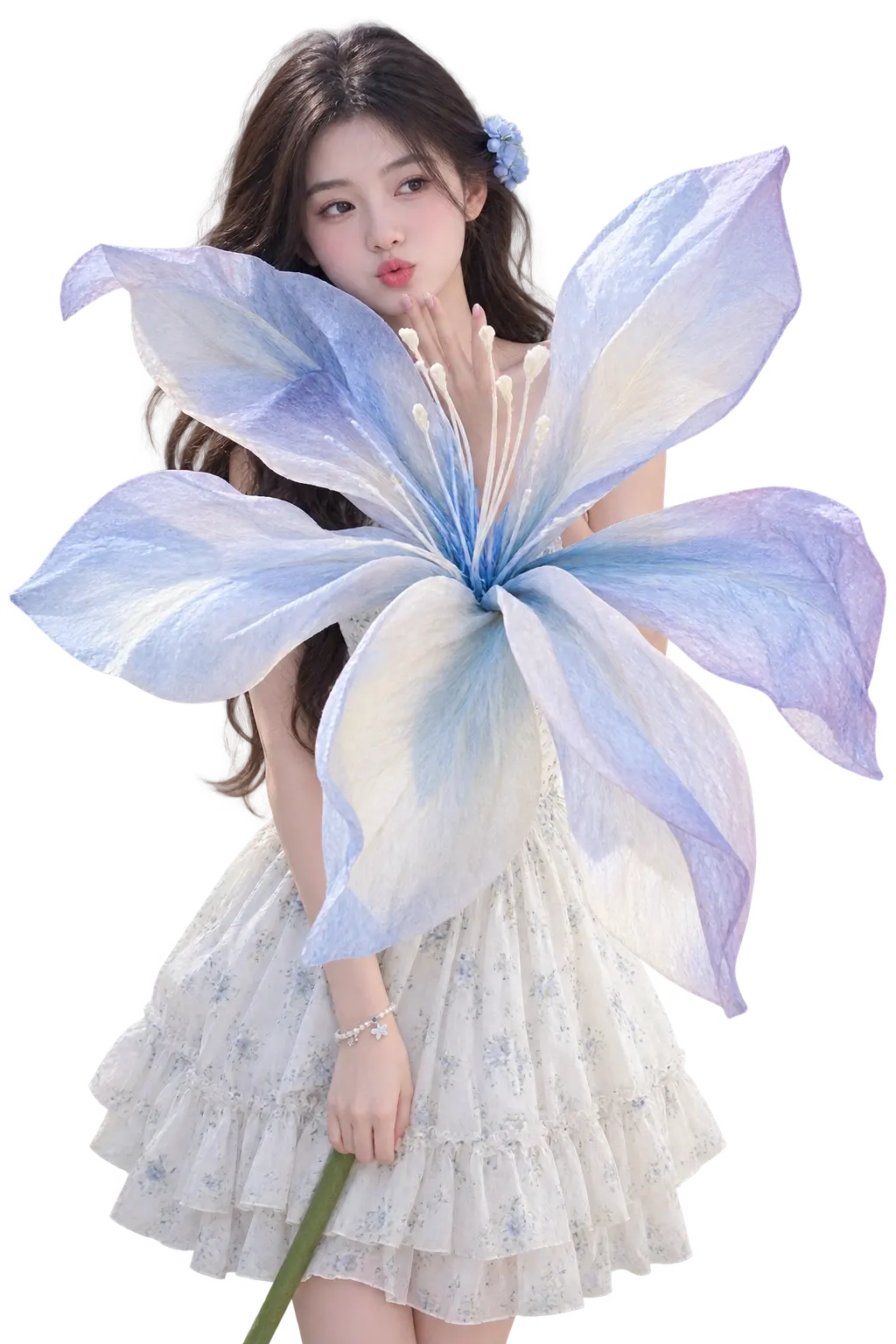
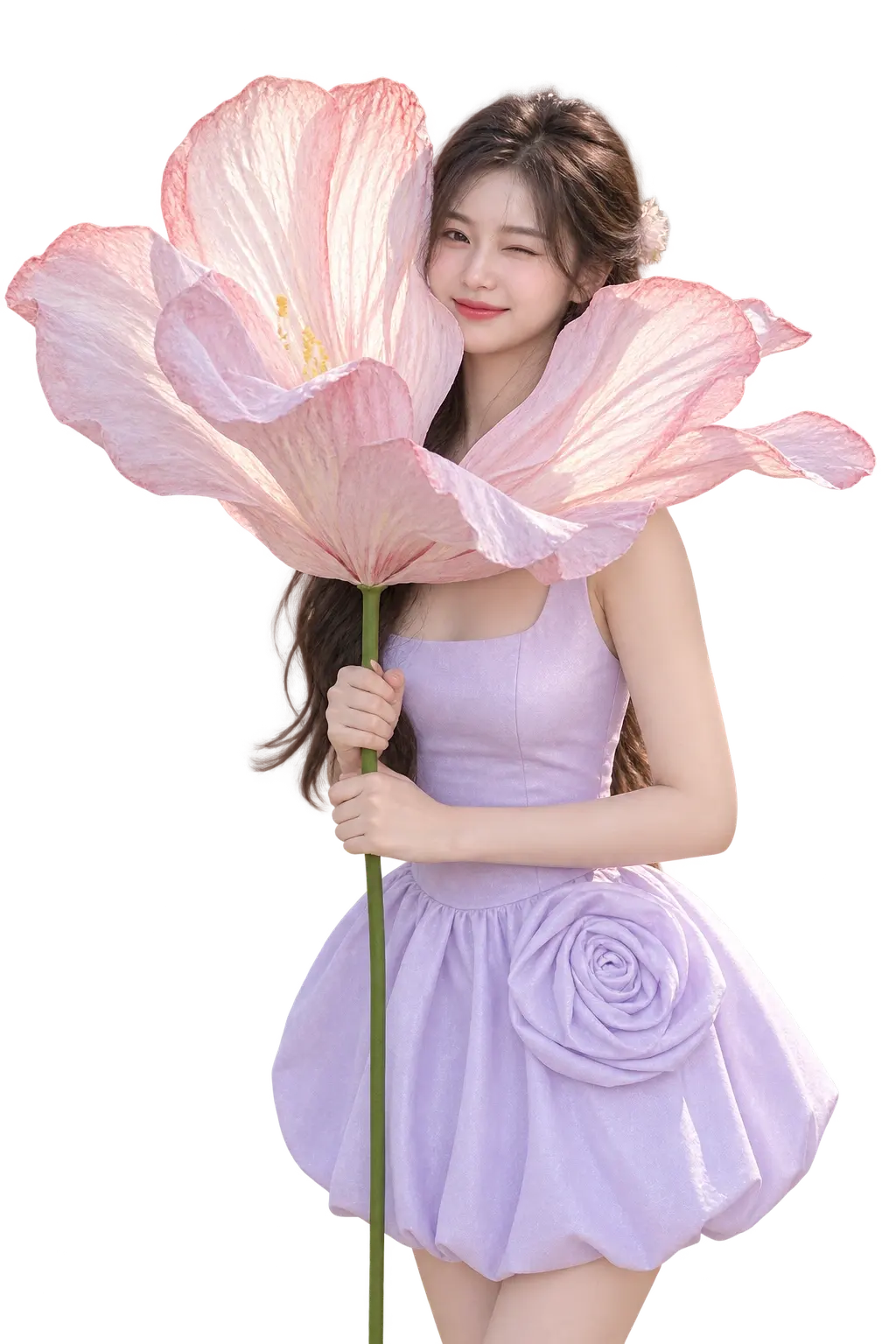
Showing 5 reference poses. Get the Posella app to see every pose in this setting and line up on them as you shoot.
Get it on Google PlayPoses that travel widely are almost never difficult ones. What they share is that they can be described in a sentence and repeated after a single viewing: tilt the head and lift one hand to the hair, turn away and look back, crouch and rest the chin on a hand. Three or four movements, no special location, nobody needed to coach you through it.
The consequence is that anything requiring balance, a deep bend, or several body parts coordinating at once almost never catches on, however good it looks in a professional shoot. When picking one to try, the reliable test is not how striking it is but whether you can still remember it after you close the screen.
A pose being shared everywhere was photographed on a particular body, from a particular camera height, through a particular lens. Change any one of those three and the result changes with it. This is why doing exactly what you saw still produces something different, and why that gap is so often blamed on appearance instead.
The easiest of the three to adjust is camera height. Most full-length photographs online are taken from waist level or lower, not from the chest height where a phone naturally sits. Dropping the camera fifteen or twenty centimetres visibly changes leg proportion, and the pose starts to resemble the one you were looking at.
A photograph that repeats the original pose, location and framing exactly will always be compared to it and always lose. The way out is simple: keep the pose and change exactly one variable. The same position but at golden hour instead of indoors, or against brick instead of white, or in clothing of the opposite weight.
One changed variable is enough to make the photograph yours while keeping whatever made the pose work. Change two or three at once and the original strength usually disappears with them, leaving you back at the start with an untested improvisation.
Turn on your camera and line yourself up with a reference pose. The web version is preview only — shooting and saving live in the app.
Drag to move the pose, pinch (or scroll) to resize.
Pose to try
Taking and saving photos is app-only.
