 PosellaPosella
Window light is the best light you already own: broad, soft and clearly directional. This set shows how to stand at roughly 45 degrees to the window so one side of the face is lit and the other falls into gentle shadow.
Window light is the best light you already own, and also the easiest to misuse. It is good because it is broad and soft — a large window behaves much like a studio softbox. It goes wrong the moment you stand with your back to it: the camera meters for the bright background and leaves your face in shadow.
Use it by standing at roughly 45 degrees to the window, neither facing it nor turned away. One side of your face is then lit and the other falls into gentle shadow, and it is the boundary between the two that gives the face shape. Facing the window straight on gives flat light and a face with no depth.
Distance matters too. The closer you stand, the softer the light and the smoother the transition from light to shadow; stepping back increases contrast. On a bright day, draw a thin curtain or choose a window without direct sun — bounced light is almost always kinder than a direct beam.
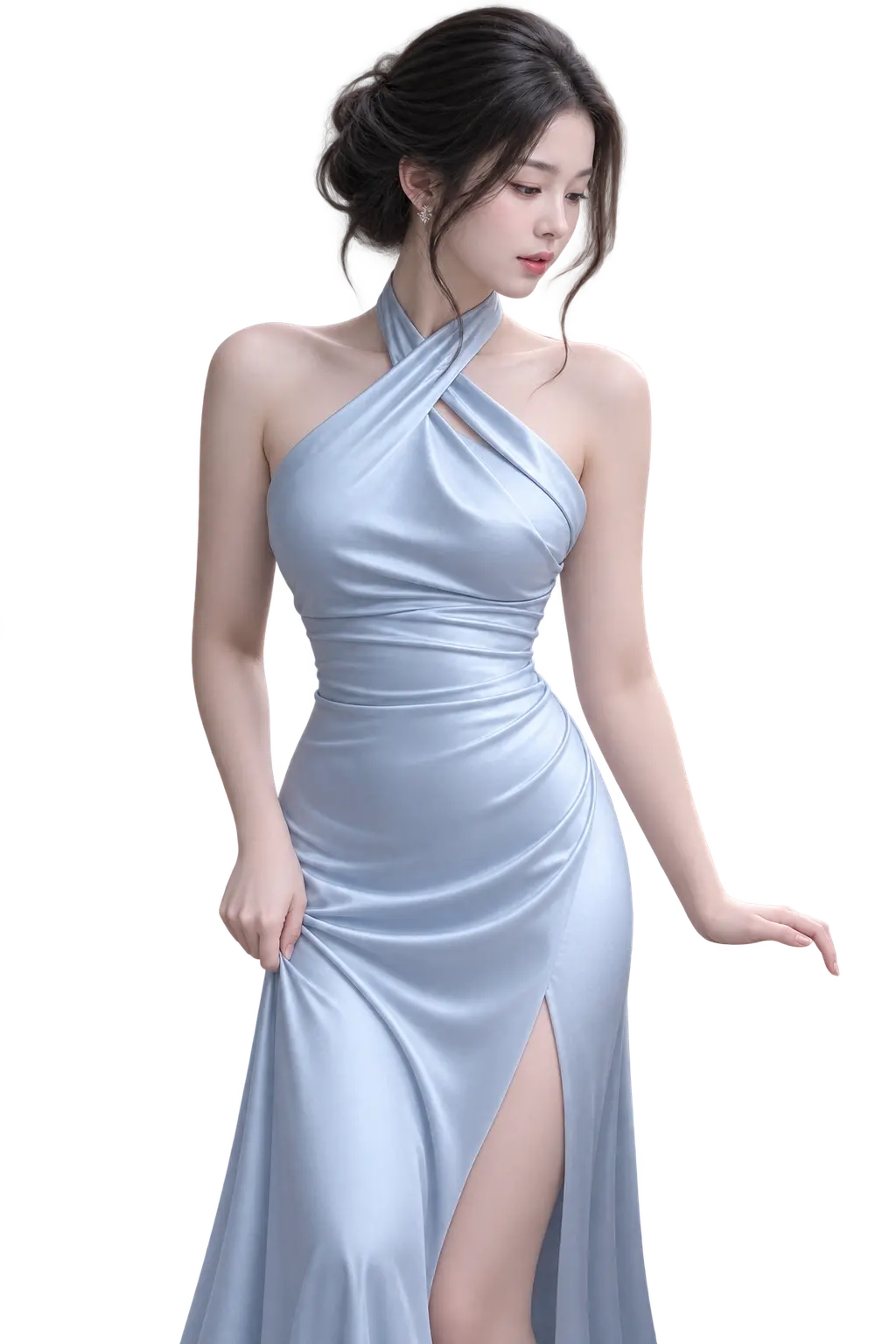
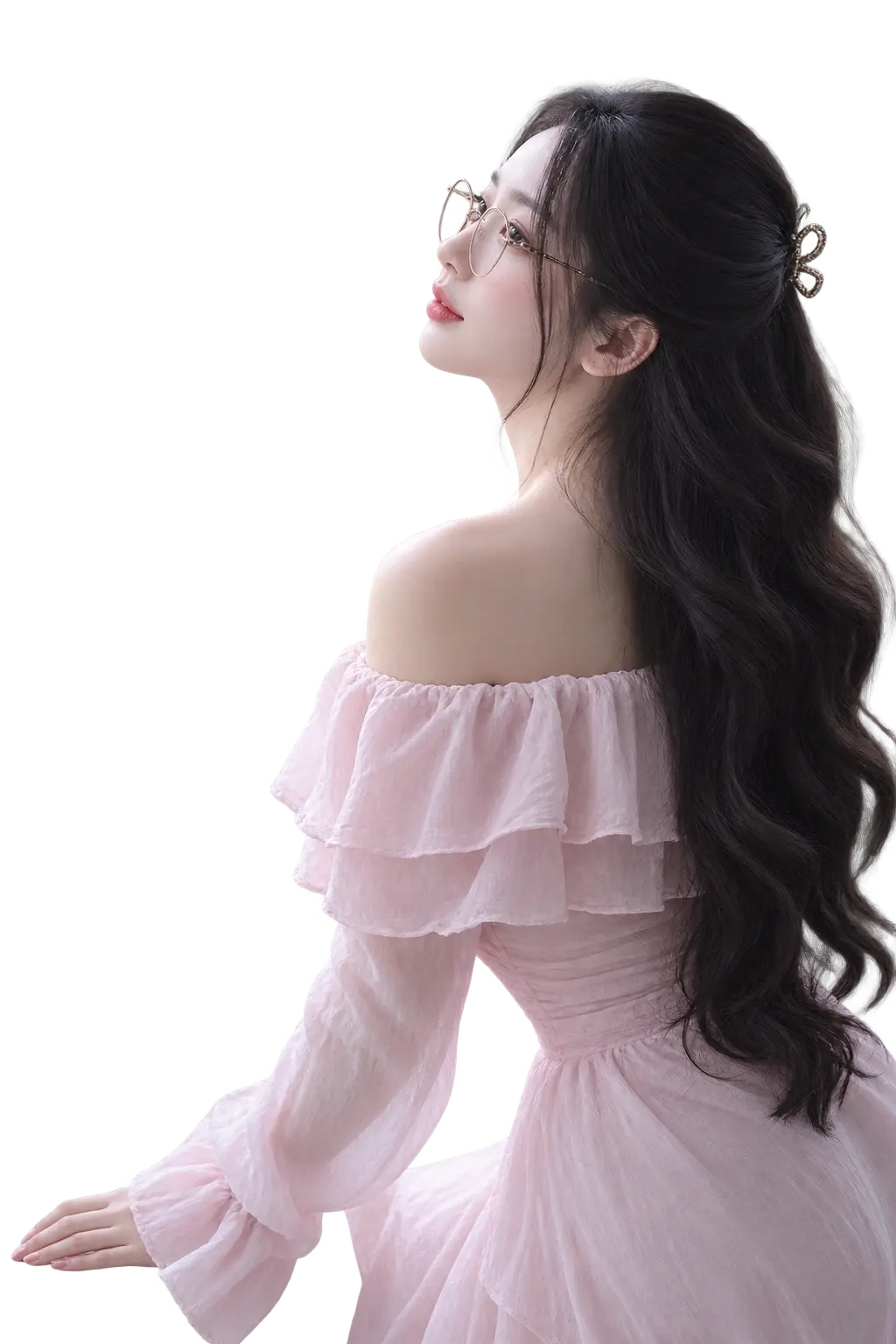

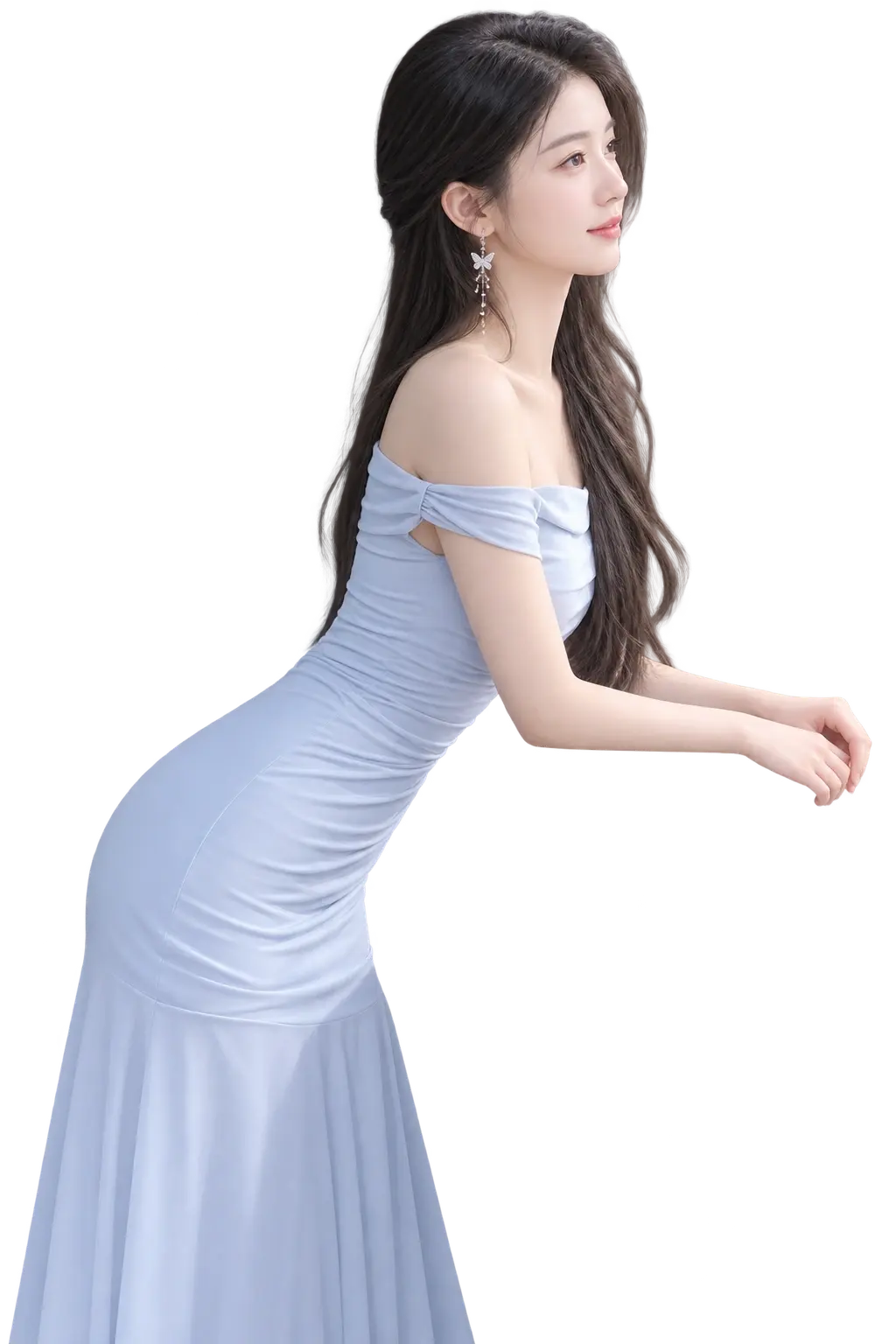
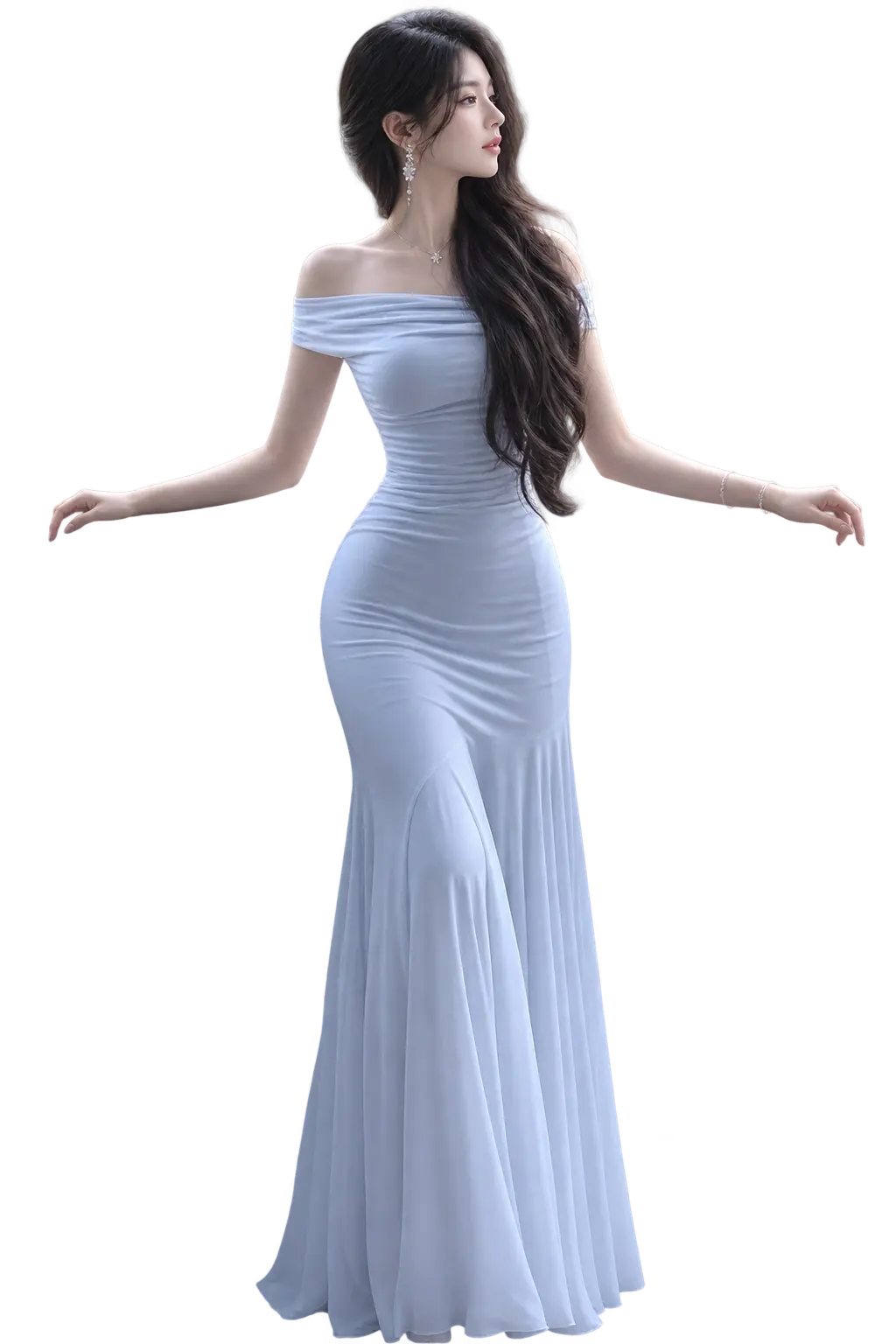
Showing 5 reference poses. Get the Posella app to see every pose in this setting and line up on them as you shoot.
Get it on Google PlayThe same window gives two opposite photographs, and choosing wrongly is the most common mistake here. Facing the window gives soft, even light across the whole face — the light studios buy equipment to imitate. Backing onto it means the camera meters the bright background and the face becomes a dark shape.
Both are usable, but the choice has to be deliberate. For a clearly lit face, stand about forty-five degrees to the window rather than with your back to it. For a silhouette, turn fully away and meter for the background so the outline reads sharply against the bright rectangle.
A window provides a ready-made rectangle, and placing a person inside it is an old and reliable compositional device. It adds a border around the subject, separates them from the rest of the room, and directs the eye to exactly the right place.
For it to work, at least three sides of the window need to be visible rather than a single edge. Step back far enough to include the whole opening, and line the edges up parallel with the edges of the photograph — a tilted window ruins the effect entirely, because the eye is very sensitive to verticals that are off.
Direct sunlight through a window on a clear day is hard light: sharp shadows and a bright rectangle falling across the face. A sheer white curtain drawn across turns the whole opening into a large soft source and completely changes the quality of the picture at no cost.
With heavy curtains, opening them partway narrows the source into a strip, giving strongly directional light and deeper shadows — dramatic, and suited to high-contrast portraits. Fully open gives the most even light. This is one of the few indoor settings where you control the lighting simply by moving fabric.
Turn on your camera and line yourself up with a reference pose. The web version is preview only — shooting and saving live in the app.
Drag to move the pose, pinch (or scroll) to resize.
Pose to try
Taking and saving photos is app-only.
